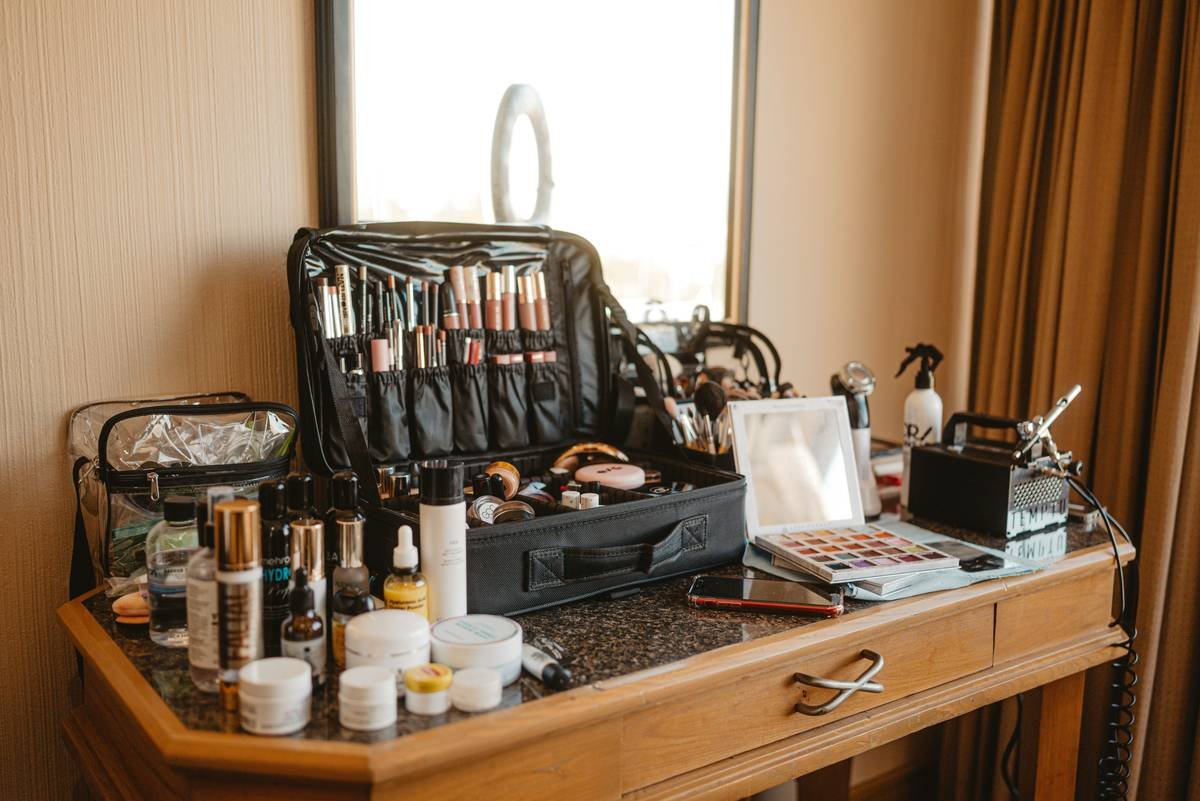
You sink into your vanity seat after a long day—only to shift, squirm, and end up perched on the edge just to see yourself clearly. Hard stools, wobbly stools, or worse—standing for 30 minutes while blending contour. It’s exhausting. The fix isn’t more lighting or another brush holder. It’s simple: an upholstered vanity chair designed for both posture and polish.
The Core Problem: Why Most Vanity Seating Fails You
Most “vanity chairs” sold online are glorified barstools with thin padding and zero lumbar support. They look cute in staged photos—but try applying liquid eyeliner on one for more than five minutes. Your lower back aches. Your knees press into stiff foam. And the seat height? Rarely matches standard vanity countertops (which sit at 30–34 inches).
And here’s what no one tells you: poor seating doesn’t just hurt—it ruins precision. When your body’s fighting instability, your hand trembles. Eyeshadow smudges. Foundation looks patchy. The tool isn’t your brush. It’s your chair.
Choosing the Right Upholstered Vanity Chair: A Practical Blueprint
Measure Twice, Sit Once
Your chair’s seat height should leave your elbows at a 90-degree angle when resting on the vanity surface. Standard counter height = 32″. Ideal seat height = 18–20″. Anything outside that range strains shoulders and wrists.
Fabric Matters More Than You Think
Silk may photograph beautifully—but it shows every oil transfer from foundation, concealer, even hand cream. Performance fabrics (like microfiber or Crypton®) repel spills and wipe clean in seconds. Bonus: they don’t snag delicate jewelry.
Swivel vs. Fixed Base: The Real Trade-Off
Swivel bases offer convenience—but cheap mechanisms wobble over time. Look for chairs with a solid hardwood frame and a 360° bearing system rated for 250+ lbs. If space is tight (studio apartments, tiny vanities), a fixed base saves inches without sacrificing comfort.
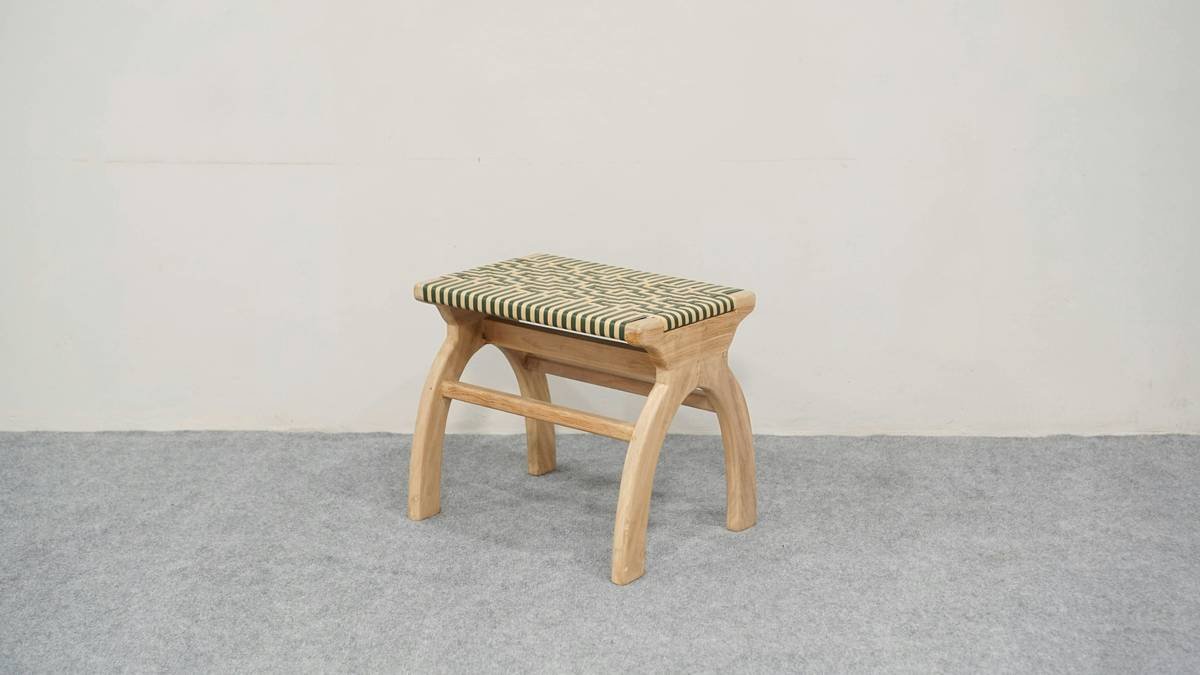
| Feature | Budget Pick (<$150) | Mid-Tier ($150–$350) | Premium ($350+) |
|---|---|---|---|
| Frame Material | Engineered wood | Birch or rubberwood | Solid hardwood (maple/oak) |
| Upholstery | Polyester blend | Stain-resistant microfiber | Performance velvet or leather |
| Seat Height Adjustability | No | Rare | Common (gas lift or screw mechanism) |
| Lifespan (Daily Use) | 1–2 years | 3–5 years | 7+ years |

The Industry Secret: Pros Don’t Just Sit—They “Stage” Their Chairs
Here’s an insider move from celebrity makeup artists: they never buy a vanity chair off-the-shelf. Instead, they retrofit barbershop stools or piano benches with custom-cut memory foam and breathable upholstery. Why? Because durability beats aesthetics in a working environment. One LA-based MUA told me she replaced her $400 designer chair with a $120 salon stool—and added $40 of high-density foam. Result? Zero back pain during 12-hour shoot days. The lesson? Prioritize function-first ergonomics, then layer in style—not the other way around.
FAQ
What height should an upholstered vanity chair be?
Ideal seat height is 18–20 inches to align with standard 30–34 inch vanities—keeping your forearms parallel to the countertop for steady application.
Can I use a dining chair as a vanity chair?
Only if it’s under 20 inches tall and has armless sides. Most dining chairs are too tall and bulky, blocking drawer access and forcing awkward angles.
How do I clean an upholstered vanity chair?
Vacuum weekly. Spot-clean with mild soap + water on a microfiber cloth. Avoid soaking—moisture breeds mold under dense foam padding.