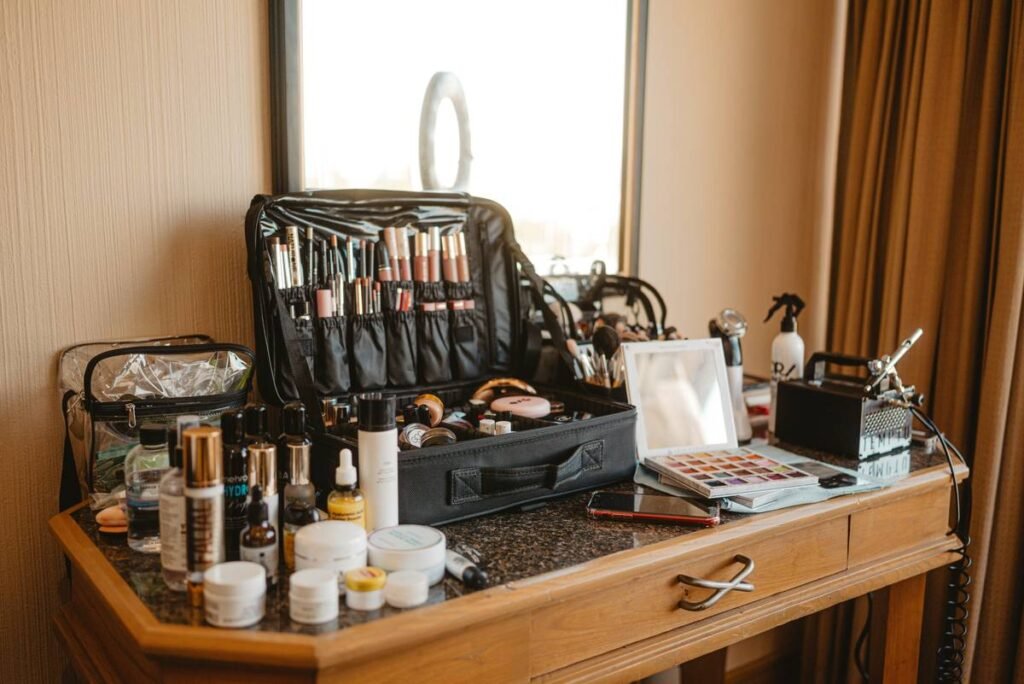
You spend hundreds on brushes, serums, and foundations—but your seating? A wobbly kitchen chair or worse, standing for hours. That constant discomfort sabotages precision, drains energy, and kills your creative flow. Enter the velvet vanity stool: not just a seat, but a performance tool engineered for beauty work that demands focus, posture, and flair.
The Hidden Cost of Ignoring Your Vanity Seating
Most DIY vanities pair with flimsy stools that squeak, sink, or slide mid-application. You adjust your hips more than your eyeliner. And don’t get me started on those plastic “beauty chairs” from big-box retailers—they look chic in photos but crack within months. Real studio pros know this truth: if your seat fails, your technique suffers.
The math is simple—your spine pays the price every time you hunch over a counter balanced on unstable legs.
Choosing the Right Velvet Vanity Stool: A No-Fluff Checklist
Height Matters More Than You Think
Ideal vanity height is 29–32 inches. Your stool should place elbows at 90° when resting on the counter—any lower strains shoulders; any higher cramps wrist movement. Adjustable hydraulic models exist, but most velvet vanity stool options are fixed. Measure first.
Frame Material Isn’t Just About Looks
Birch wood? Solid but heavy. Metal? Sleek but cold. The sweet spot: powder-coated steel frames wrapped in dense foam and plush velvet. They resist moisture from spilled toner, hold shape after 10-hour glam sessions, and won’t warp in humid bathrooms.
Versatility Beats Trend
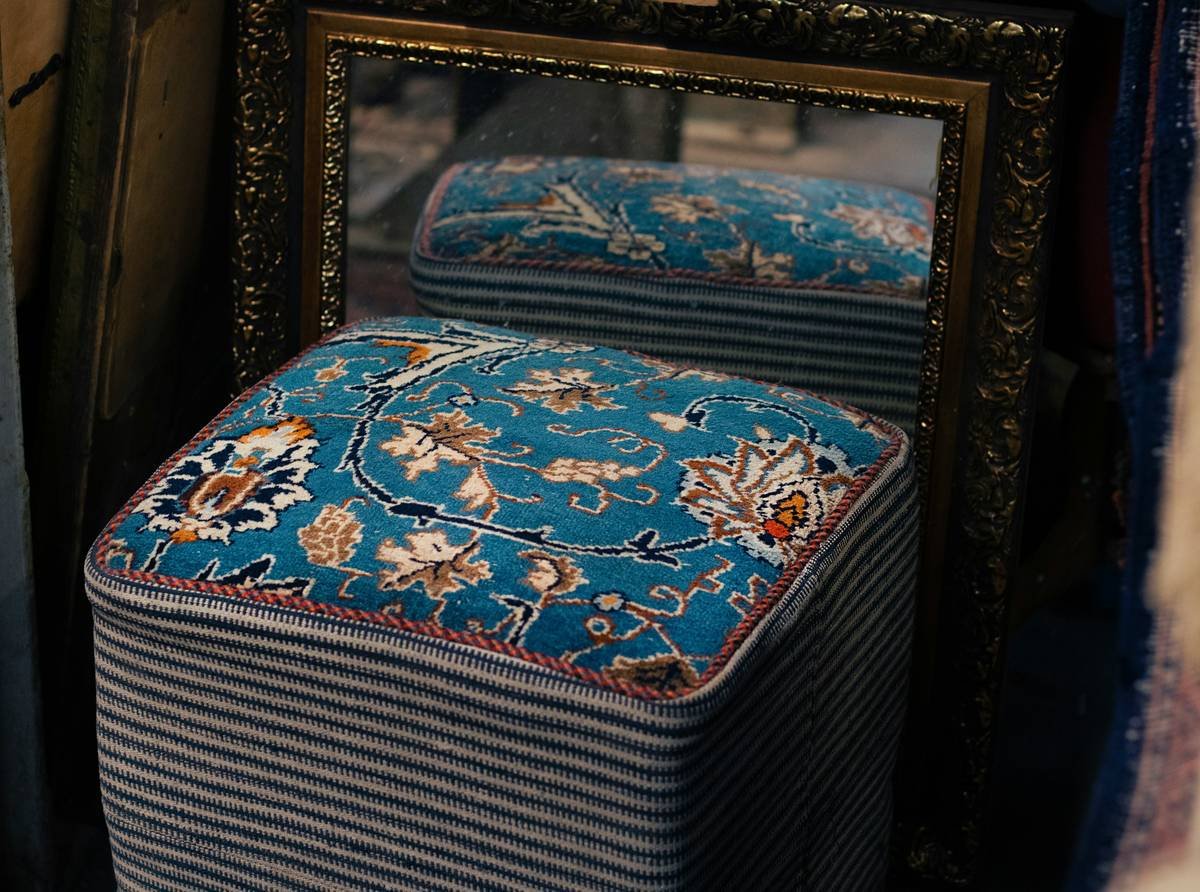
That emerald green crushed velvet might scream “editorial,” but will it clash with your beige walls in six months? Neutral tones (charcoal, taupe, ivory) age gracefully. Bonus: removable seat covers let you swap fabrics without buying new.
| Feature | Budget Pick (<$80) | Mid-Tier ($80–$150) | Pro Studio Grade (>$150) |
|---|---|---|---|
| Frame | Hollow metal or MDF | Solid hardwood or reinforced steel | Aircraft-grade aluminum or kiln-dried oak |
| Upholstery | Polyester microfiber (fades fast) | Stain-resistant velvet blend | Performance velvet (liquid-repellent, UV-stable) |
| Lifespan | 6–12 months | 2–3 years | 5+ years with daily use |
| Bonus | None | Non-slip base, 360° swivel | Tool storage under seat, ergonomic lumbar curve |
The Industry Secret: Pros Use Their Stools as Mobile Workstations
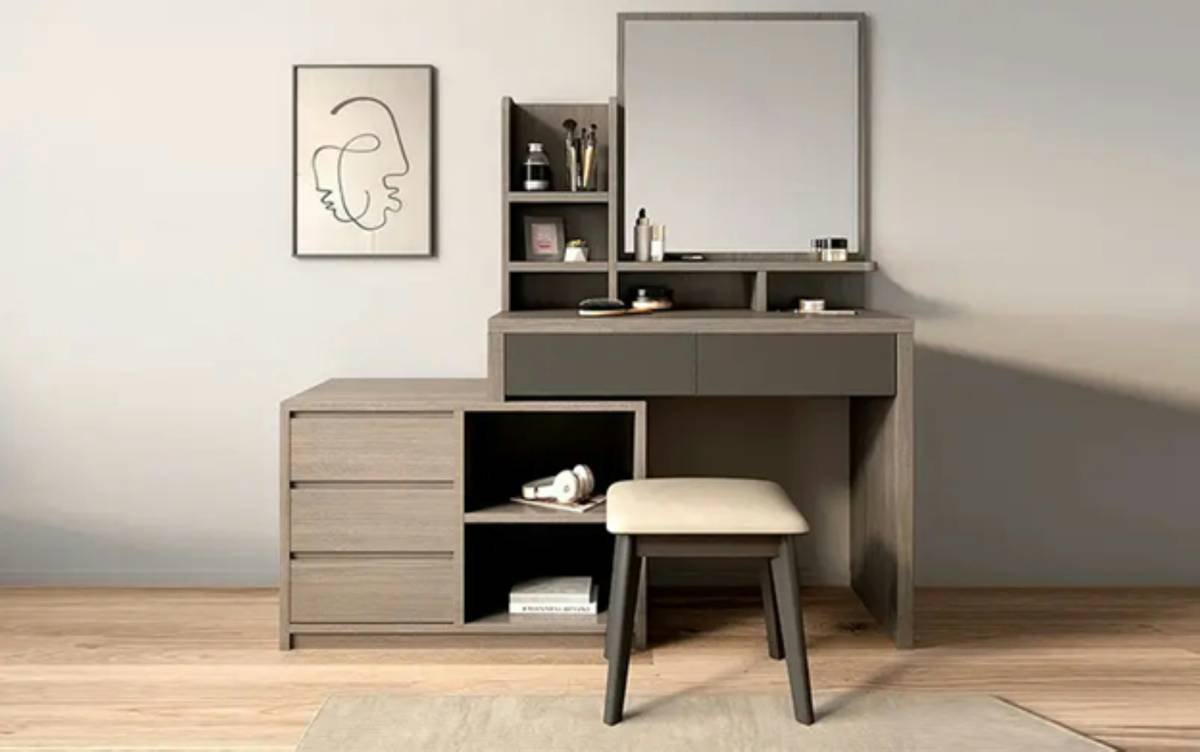
Here’s what nobody tells you—top makeup artists don’t just sit on their velvet vanity stool. They treat it like a command center. Tape palettes to the underside. Clip LED ring lights to the backrest. Store cotton pads in hidden side pockets (yes, some models have them). One LA-based artist I shadowed even mounted a mini magnetic strip on the frame for tweezers and liners. It’s not furniture—it’s functional architecture.
And that plush velvet surface? It doubles as a soft landing pad for delicate brushes during quick color switches. Think about it: no more rolling bristles off hard plastic edges.
Frequently Asked Questions
Can a velvet vanity stool work in a small apartment?
Absolutely. Compact round stools (under 16” diameter) tuck neatly under vanities or fold into closets. Choose lighter colors to avoid visual bulk.
Is velvet hard to clean after makeup spills?
Modern performance velvet repels liquids. Blot immediately with a microfiber cloth—never rub. For stubborn stains, use a 1:1 water-vinegar mix lightly dabbed.
Do these stools support heavier users comfortably?
Look for weight capacities of 250 lbs or more. Reinforced steel frames with cross-bracing handle extended use without sagging—check product specs before buying.