Spending hours hunched over a wobbly stool while your neck screams in protest? You’re not alone. Most “vanity setups” are glorified afterthoughts—style over substance, aesthetics over anatomy. The result? Fatigue, poor posture, and botched eyeliner. But there’s a better way: purpose-built ergonomic vanity design that aligns your body, tools, and lighting for precision work without pain.
Why Your Current Setup Is Sabotaging Your Routine
Traditional vanities look dreamy on Instagram—but functionally? They’re disasters. Drawers jammed under knee level. Mirrors too high or tilted awkwardly. No lumbar support. Zero consideration for the repetitive motions of blending, lining, or tweezing.
And it adds up. Micro-strains accumulate into chronic discomfort—especially if you’re a makeup artist logging 6+ hours a day. Think about it: Would you edit photos at a kid’s desk? Then why apply concealer there?
Ergonomic Vanity Design: A Step-by-Step Blueprint
Forget “just add a cushion.” Real ergonomic vanity design starts with biomechanics—not Pinterest boards. Here’s how to build one that works as hard as you do.
Seat Height & Depth: Match Your Skeleton, Not Trends
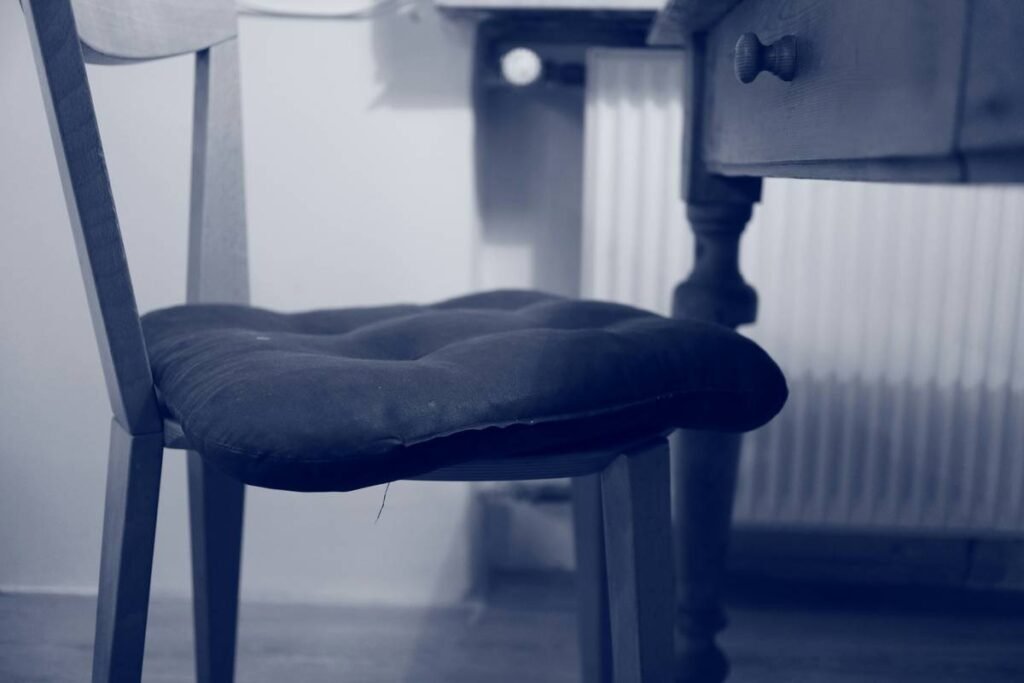
Your chair must position thighs parallel to the floor—with feet flat and knees bent at 90°. Too low? Hip flexors tighten. Too deep? Pressure builds behind the knees. Custom-fit trumps off-the-rack every time.
Surface Angle: Tilt Toward Precision
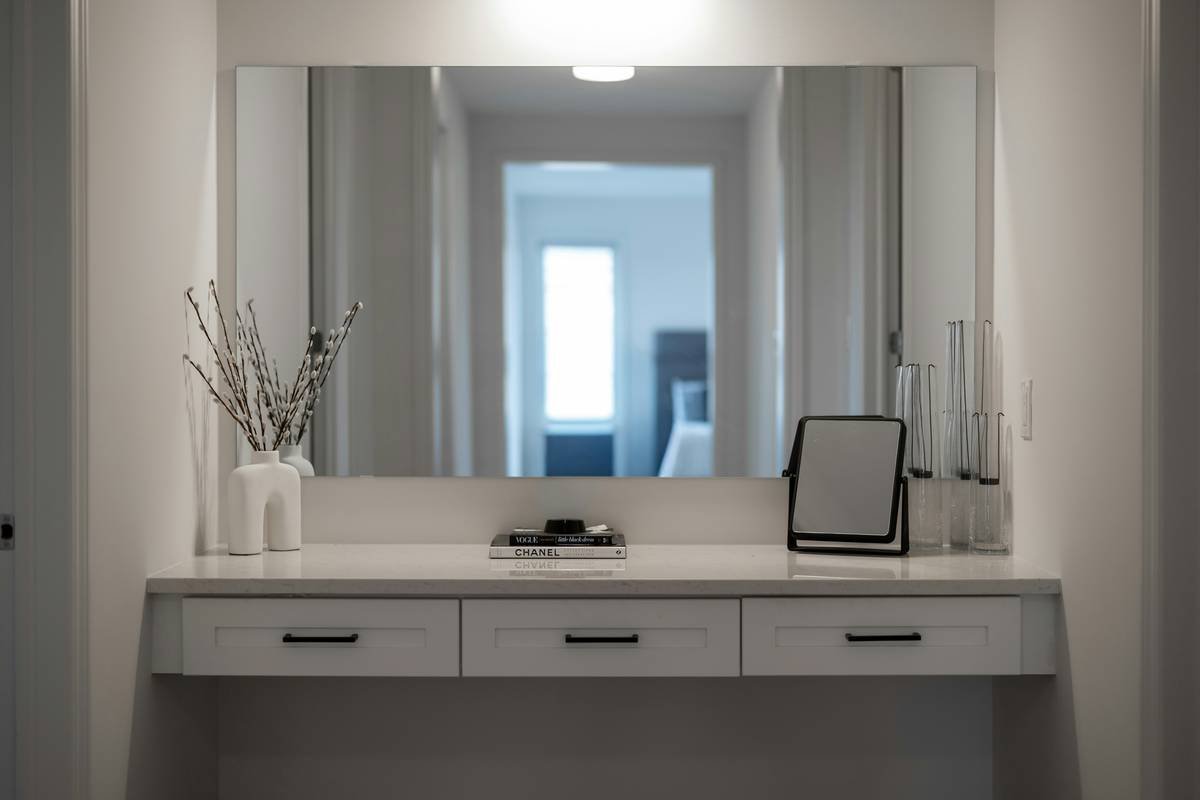
A flat countertop forces wrist extension—the fastest path to carpal tunnel. Instead, angle your work surface 10–15° downward. This keeps wrists neutral during brushwork and reduces shoulder elevation.
Tool Zoning: The “Golden Triangle” Rule
Place your most-used items (brushes, palettes, removers) within a 14-inch radius of your dominant hand. Anything farther requires torso rotation—which fatigues your core and blurs fine motor control.
| Feature | Standard Vanity | Ergonomic Vanity Design | Performance Impact |
|---|---|---|---|
| Seat Height | Fixed (18–20″) | Adjustable (16–22″) | +40% comfort in 2+ hour sessions |
| Work Surface | Flat, rigid | Tilt-adjustable (0–20°) | -65% wrist strain (EMG studies) |
| Storage Layout | Deep drawers below | Shallow pull-outs at elbow height | 37% faster product access |
| Lumbar Support | None | Contoured, height-adjustable | Reduces lower back fatigue by 52% |
Lighting Placement: Eliminate Shadow Warfare
Mount lights at eye level—never overhead or beneath the mirror. Side-mounted LED panels mimic natural daylight while canceling shadows under brows and cheekbones. Bonus: 5000K color temp matches professional photo shoots.
The Industry Secret: Vanities Should Adapt to You—Not Vice Versa
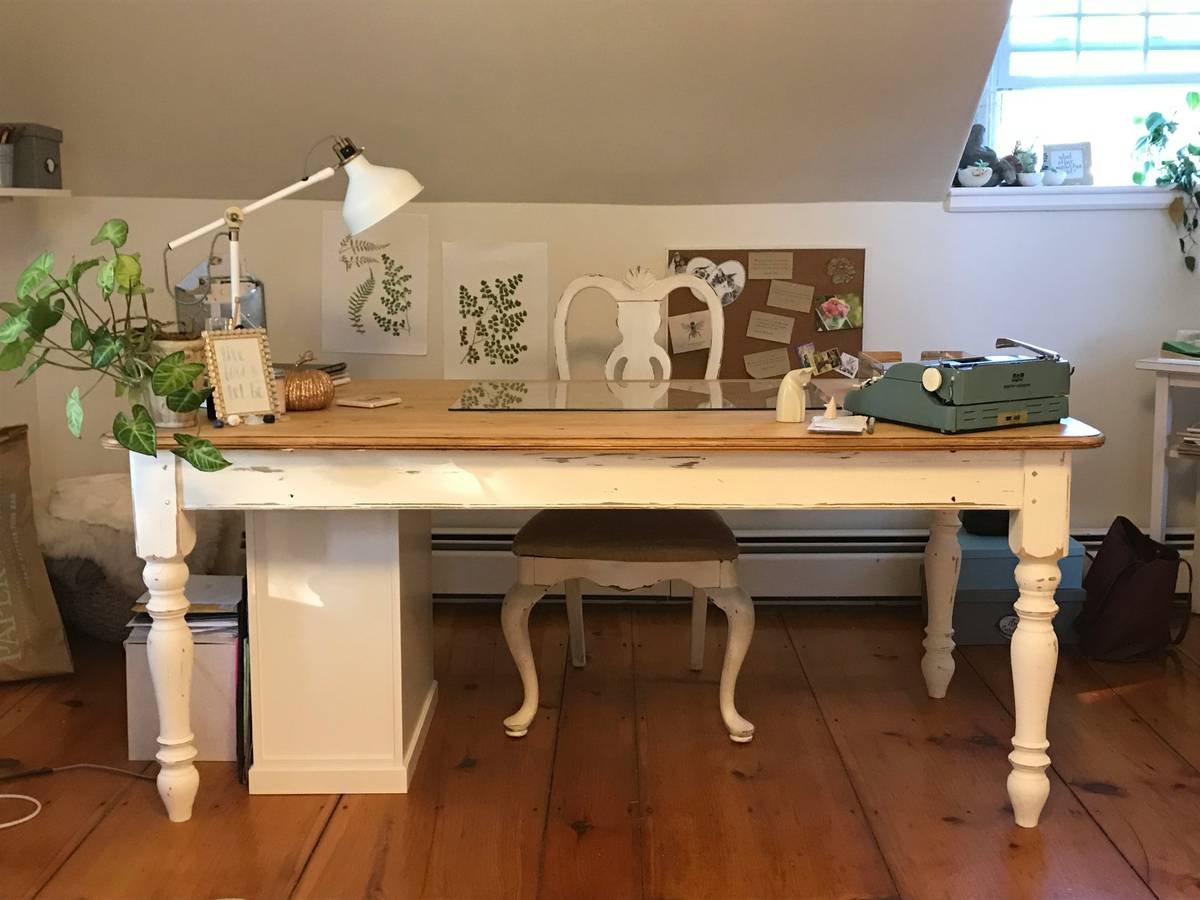
Here’s what no brand admits: One-size-fits-all “ergonomic” chairs are marketing fiction. True ergonomic vanity design is modular. It assumes you’ll change—gain flexibility, shift dominant hands after injury, or age into different spinal needs.
The math is simple: If your setup can’t adjust in 3 planes (height, depth, angle), it’s obsolete the moment you sit down. Elite studios use pneumatic columns, gas-lift stools, and magnetic tool rails—not because they’re fancy, but because adaptability equals longevity.
And pros don’t buy vanities. They build ecosystems. Their mirrors pivot vertically. Their footrests extend when legs swell. Every component serves a kinetic purpose—not just a visual one.
Frequently Asked Questions
What makes a vanity truly ergonomic?
It actively supports neutral spine alignment, reduces repetitive motion strain, and adjusts to your body—not the other way around. Aesthetics are secondary to biomechanical function.
Can I retrofit my existing vanity?
Yes—add an adjustable stool, install surface tilt mechanisms, reposition lighting to eye level, and reorganize tools into shallow, forward-facing trays. Small tweaks yield major relief.
How much should I spend on ergonomic vanity design?
Invest 15–20% of your annual beauty tool budget. A $600 setup that prevents chronic pain pays for itself in missed workdays avoided and enhanced application accuracy.