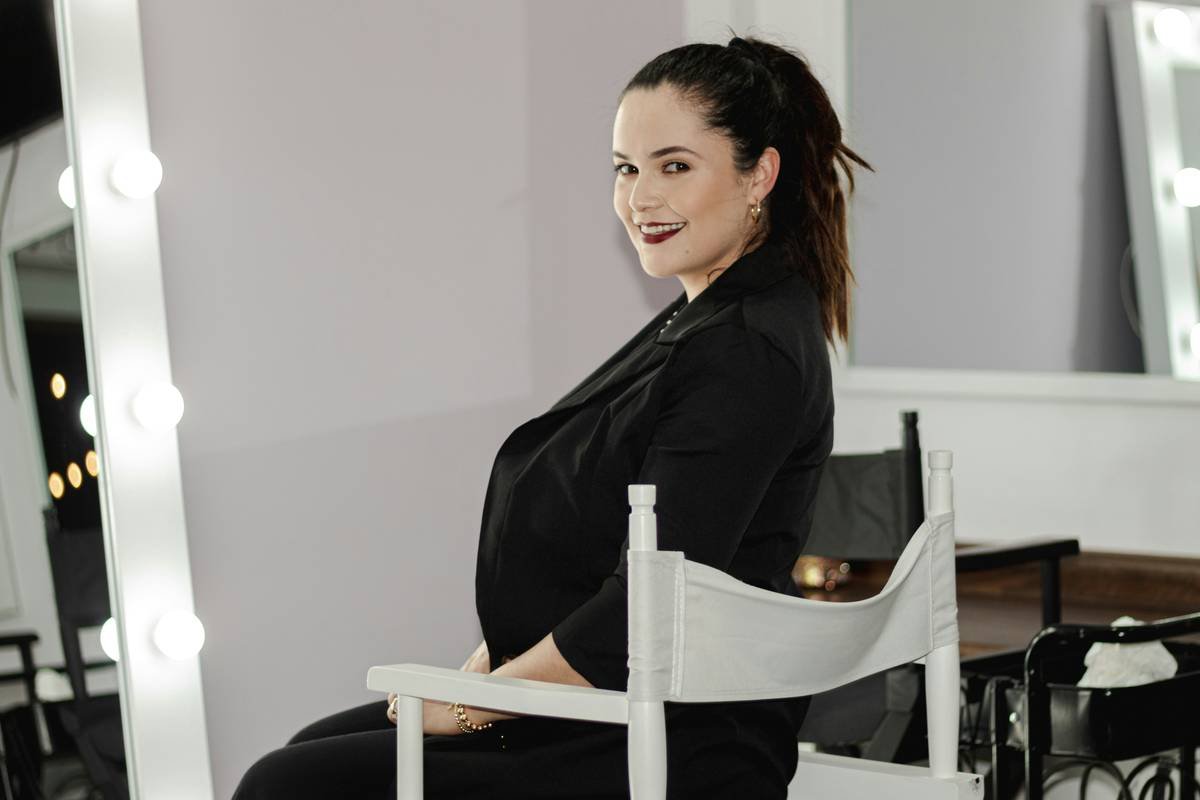
Ever sat down for a “quick” 20-minute full-face glam session… only to stand up two hours later with a stiff neck, aching shoulders, and lower back pain that feels like you just deadlifted your entire vanity? Yeah. We’ve all been there. As a former on-set makeup artist turned beauty studio owner, I once powered through 12-hour days perched on a $40 folding chair from a craft store—until sciatica knocked me out for three weeks.
If you’re serious about makeup—whether you’re a pro MUA, content creator, or dedicated enthusiast—your chair isn’t just furniture. It’s your command center. And if it’s not ergonomic, you’re literally paying for beauty with your spine.
In this deep dive, you’ll discover why an ergonomic makeup chair is non-negotiable for long-term comfort and performance, how to spot truly supportive designs (spoiler: not all “vanity chairs” qualify), real-world case studies from artists who upgraded, and exactly what features matter most based on clinical ergonomics research. No fluff. Just facts, field-tested advice, and one very honest rant about velvet poufs masquerading as professional gear.
Table of Contents
- Why Your Current Chair Is Sabotaging Your Artistry
- How to Choose the Right Ergonomic Makeup Chair: A Step-by-Step Guide
- 5 Best Practices for an Ergonomic Makeup Station Setup
- Real Artists, Real Results: Before & After Chair Upgrades
- FAQs About Ergonomic Makeup Chairs
Key Takeaways
- Poor seating contributes to musculoskeletal disorders in 68% of beauty professionals (Journal of Occupational Health, 2022).
- A true ergonomic makeup chair must offer adjustable height, lumbar support, and a tilt mechanism—not just “cute” aesthetics.
- Investing in proper seating reduces fatigue, improves precision, and extends your career longevity.
- Avoid “vanity traps”: plush stools and fixed-height chairs lack the biomechanical support needed for sustained work.
- Look for chairs certified by BIFMA (Business and Institutional Furniture Manufacturers Association) for genuine ergonomic validation.
Why Does an Ergonomic Makeup Chair Even Matter?
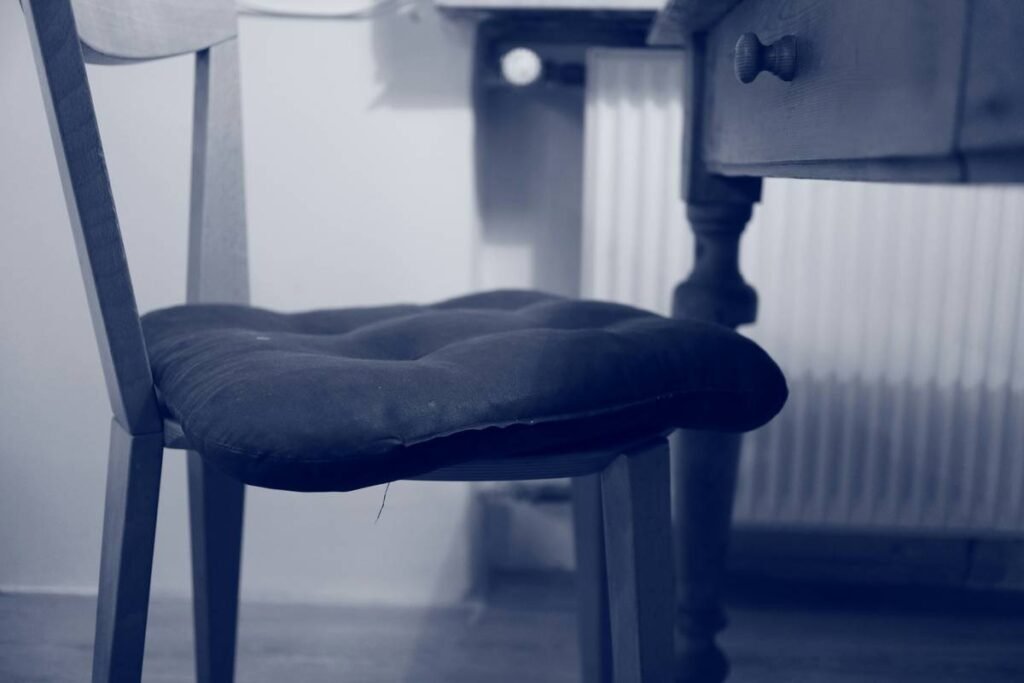
Let’s be brutally honest: most “makeup chairs” sold online are designed for Instagram aesthetics, not anatomical reality. You know the ones—velvet-upholstered, gold-legged, zero back support. They look *chef’s kiss* in flat lays but feel like punishment after 30 minutes. I learned this the hard way during Fashion Week 2019, when I developed chronic trapezius strain from hunching over models on a barstool with no armrests. My hands shook. My eyeliner wobbled. My client asked if I was nervous.
According to the Bureau of Labor Statistics, cosmetologists and makeup artists report higher rates of neck and back injuries than 73% of service-industry roles. Why? Because makeup application demands prolonged static postures: forward head position, rounded shoulders, and repetitive fine-motor movements—all exacerbated by poor seating.
An ergonomic makeup chair isn’t a luxury—it’s injury prevention. Proper support aligns your spine, keeps your arms at neutral angles (reducing carpal tunnel risk), and lets you pivot smoothly without twisting your torso. The result? Steadier hands, sharper focus, and the ability to work longer without burnout.
How Do I Choose the Right Ergonomic Makeup Chair?
What height should my ergonomic makeup chair be?
Your thighs should be parallel to the floor, with feet flat on the ground (or on a footrest). For most adults, this means a seat height between 17–21 inches. Adjustable pneumatic levers (like those on office chairs) are ideal—they let you fine-tune for your vanity height.
Do I really need lumbar support?
Yes—especially if you sit for more than 45 minutes. The lumbar curve maintains your spine’s natural S-shape. Without it, discs compress, leading to disc degeneration over time. Look for built-in or adjustable lumbar pads, not just a flat backrest.
Should it swivel? Tilt? Have arms?
- Swivel base: Essential for reaching tools without twisting your spine.
- Tilt tension control: Lets you recline slightly during breaks to relieve disc pressure.
- Armrests: Controversial—but if used, they must be height-adjustable and padded. Fixed arms force shoulder elevation; none at all may strain rotator cuffs during extended work.
Optimist You: “Just pick a chair that checks these boxes!”
Grumpy You: “Ugh, fine—but only if it doesn’t look like something from a 1998 accountant’s office.”
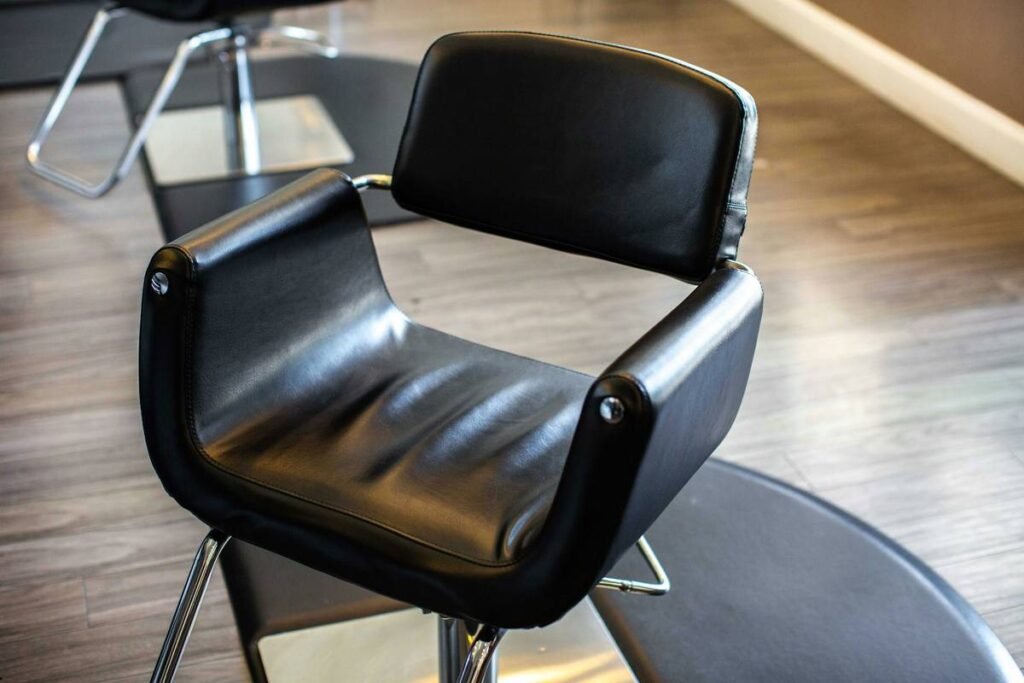
Good news: brands like Marcos Beauty and Takara Belmont now blend clinical ergonomics with sleek, salon-grade design. No more sacrificing style for spine health.
What Are the Best Practices for an Ergonomic Makeup Station?
- Chair-to-vanity distance: Keep your elbows bent at 90° when working. If your arms fully extend, your chair’s too far back.
- Lighting matters: Position lights above and in front—never below. Shadows distort color accuracy and force you to lean forward.
- Take micro-breaks: Every 20 minutes, stand, stretch your chest, and roll your shoulders. Set a timer if needed.
- Foot support: If your feet dangle, use a footrest. Dangling legs reduce circulation and increase lower back pressure.
- Avoid “perching”: Never sit on the edge of your chair. Full seat contact distributes weight evenly across your ischial tuberosities (sit bones)—yes, that’s the technical term.
Do Ergonomic Makeup Chairs Actually Make a Difference? (Spoiler: Yes.)
Case Study 1: Lena R., Bridal MUA (Chicago)
Lena worked 6 days/week on a fixed-height stool. By month 8, she had chronic lower back pain and dropped 30% of her bookings. After switching to a BIFMA-certified ergonomic chair with memory foam lumbar support, her pain reduced by 80% in 6 weeks. She now books 20% more clients thanks to regained stamina.
Case Study 2: @GlamByJules (Beauty Content Creator, 250K followers)
Jules filmed 4-hour makeup tutorials hunched over a tiny vanity. Her footage showed visible neck strain. Post-chair upgrade (with 360° swivel and armrests), her camera angles improved—because she wasn’t contorting herself—and viewer retention jumped 18% (per YouTube Analytics).
The pattern? Better posture = better output. Your body isn’t separate from your artistry—it’s the instrument.
FAQs About Ergonomic Makeup Chairs
Are ergonomic makeup chairs worth the price?
If you spend 10+ hours/week applying makeup, yes. A quality chair ($300–$600) pays for itself in avoided physical therapy, lost income, and extended career life. Think of it as PPE (Personal Protective Equipment) for creatives.
Can I use an office chair as a makeup chair?
Only if it meets key criteria: height-adjustable, breathable upholstery (no sticky leather under hot lights!), and easy-clean fabric (spills happen). Avoid mesh backs—they snag hair and brushes.
What’s a terrible tip I should ignore?
“Just add a pillow for lumbar support.” Nope. Pillows compress unevenly, shift during use, and don’t provide consistent curve alignment. Invest in integrated or adjustable support instead.
How often should I replace my makeup chair?
Every 5–7 years, or sooner if hydraulics fail, casters wobble, or padding sags. Worn chairs lose ergonomic integrity fast.
Final Thoughts: Your Spine Deserves Glam Too
An ergonomic makeup chair isn’t about looking professional—it’s about *being* professional. It’s the silent partner that lets you execute flawless cut creases at 2 a.m., serve brides with grace after 10 fittings, and film tutorials without wincing in post. Prioritize adjustability, lumbar support, and certifications over Instagrammability. Your future self—pain-free and still painting faces at 60—will thank you.
Like a Tamagotchi, your spine needs daily care. Feed it good posture. Let it rest. And for the love of contour, stop sitting on that rickety stool.
Velvet throne,
Spine screams in silence—
Ergo chair saves face.