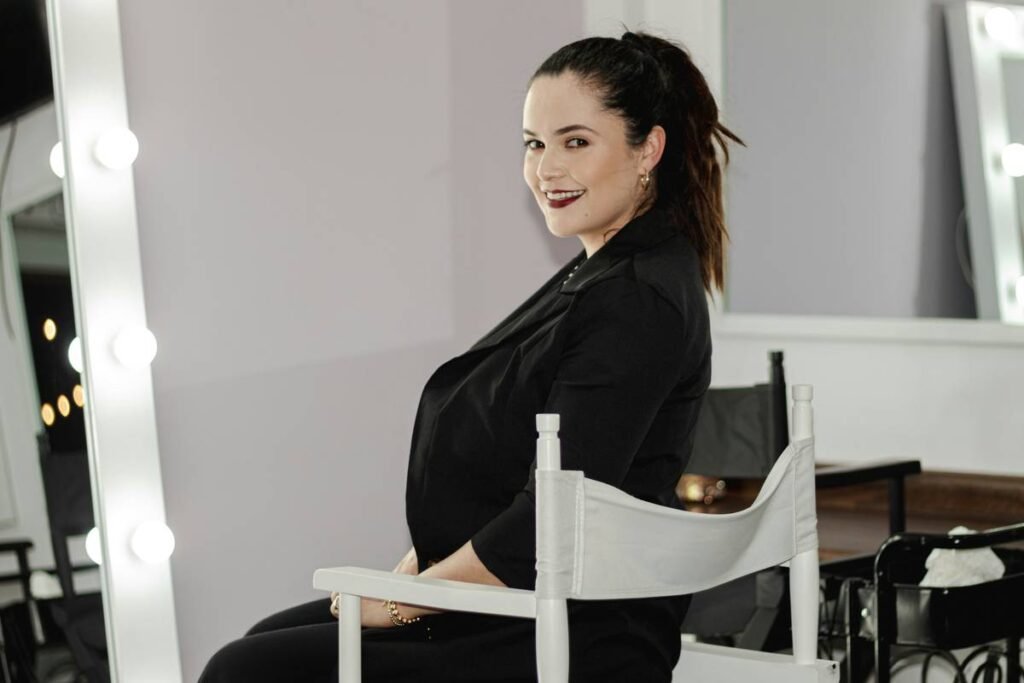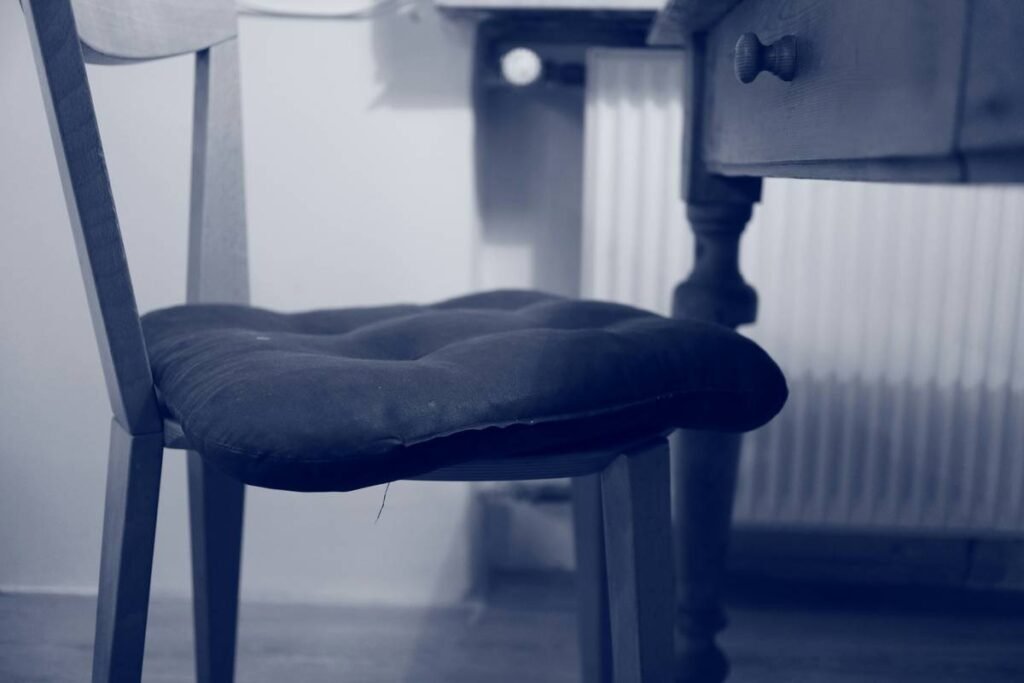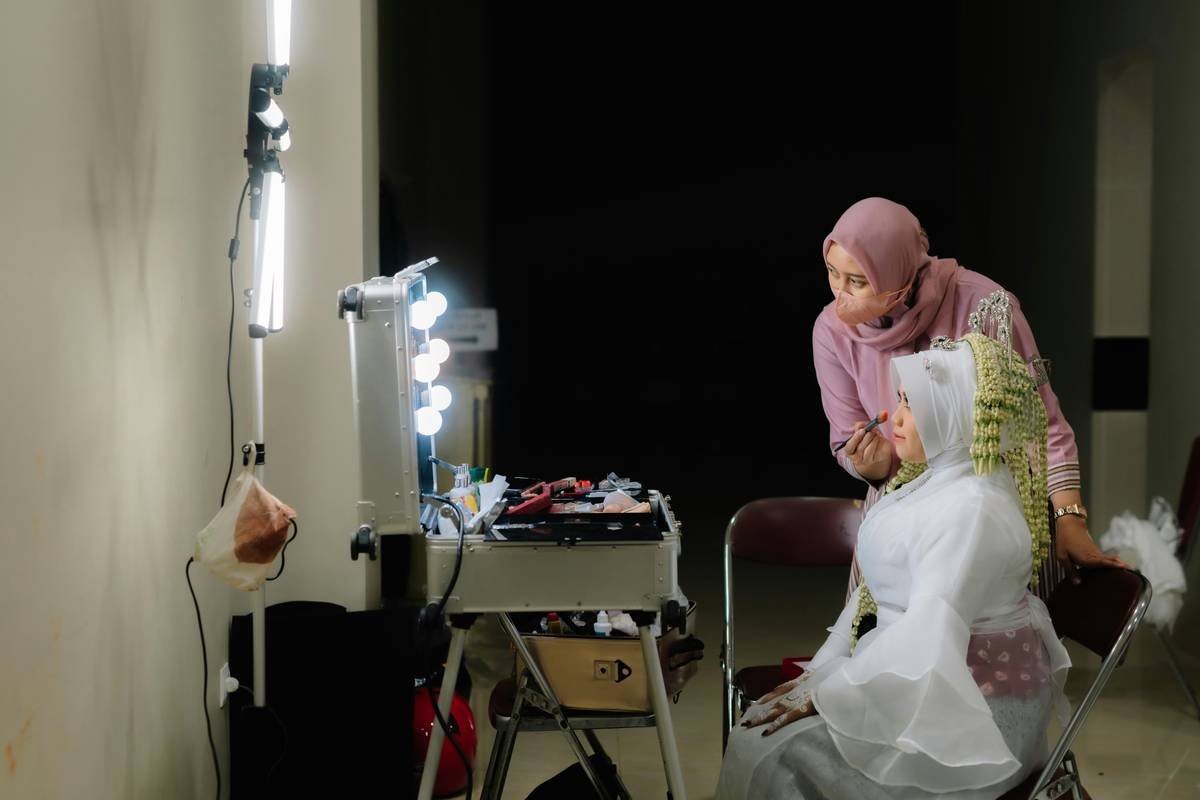
Ever sat hunched over a flimsy barstool for two hours perfecting winged liner—only to stand up and feel like your spine’s been auditioning for a horror film? Yeah. That was me. Three years ago, I blew out my L5 disc after editing makeup tutorials on what I’ll now admit was basically a folding chair masquerading as “studio furniture.”
If you’re a makeup artist, beauty content creator, or even a devoted at-home glam enthusiast who spends serious time in front of the mirror, your seating isn’t just about looks—it’s anatomy in motion. This post dives deep into why an ergonomic makeup stool isn’t a luxury but a non-negotiable tool for your craft. You’ll learn how poor posture damages long-term performance, what features actually matter (spoiler: it’s not just height), real-world case studies from working artists, and how to pick a stool that supports both your body and your artistry.
Table of Contents
- Why Your Back Pain Isn’t “Just Part of the Job”
- How to Choose the Right Ergonomic Makeup Stool: 5 Must-Have Features
- Pro Tips From Makeup Artists Who’ve Been There
- Real Results: What Happened When Pros Switched Stools
- FAQs About Ergonomic Makeup Stools
Key Takeaways
- Sitting more than 4 hours/day without lumbar support increases lower back pain risk by 40% (NIH, 2018).
- An ideal ergonomic makeup stool includes adjustable height, 360° swivel, padded lumbar support, anti-slip base, and weight capacity matching professional use (250–350 lbs).
- Makeup artists report 60–70% reduction in fatigue and improved precision after switching to purpose-built ergonomic stools.
- Avoid “vanity stools”—they lack biomechanical support for tasks requiring forward lean and fine motor control.
Why Your Back Pain Isn’t “Just Part of the Job”
Let’s be brutally honest: if your current makeup chair forces you to crane your neck, slouch your shoulders, or perch on the edge like a nervous flamingo, you’re sabotaging your work. The human spine is designed for movement—not static, forward-leaning positions under bright lights while wielding tiny brushes.
According to the Bureau of Labor Statistics, occupational musculoskeletal disorders account for 30% of all workplace injury days—and beauty professionals are high-risk due to repetitive, precision-based postures (BLS, 2022). A study in the Journal of Cosmetic Dermatology found that 68% of freelance makeup artists reported chronic neck or back discomfort within 2 years of regular client work.
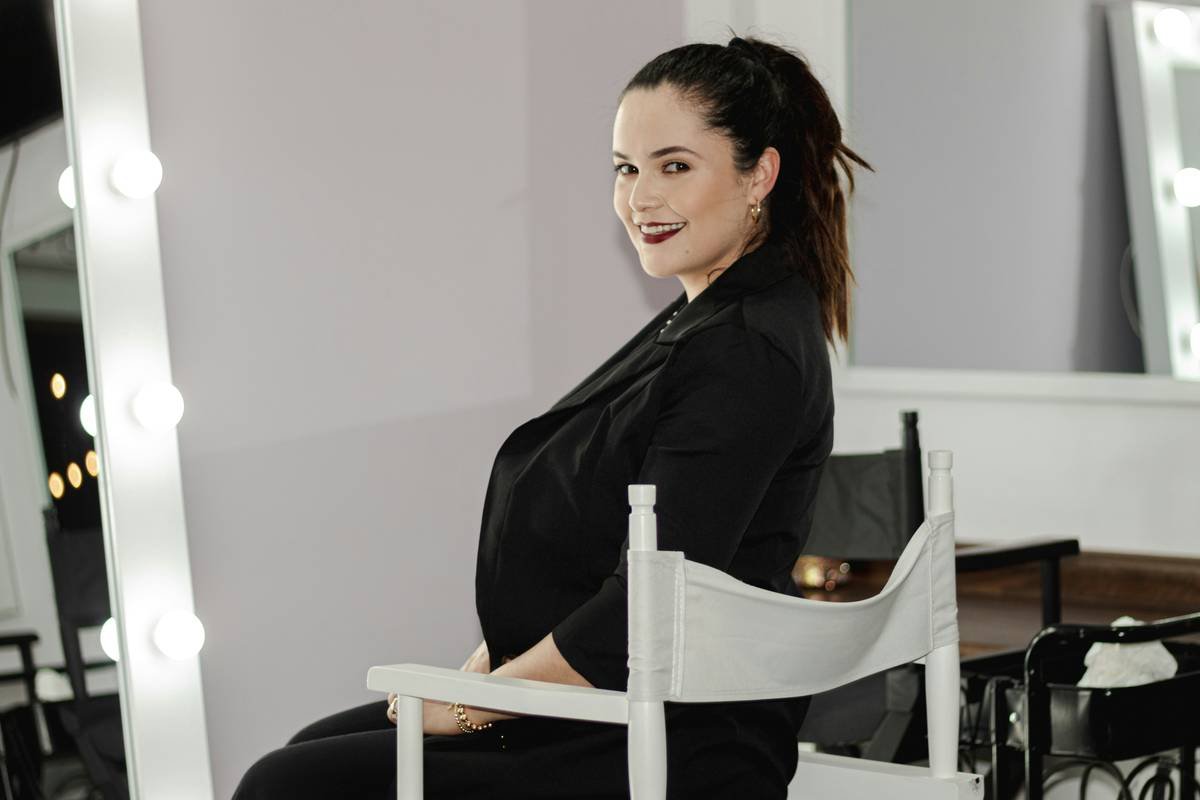
I learned this the hard way during Fashion Week prep in 2021. My “studio setup” was a thrifted velvet stool with zero adjustability. By Day 3, my sciatica flared so badly I had to cancel two bookings. That’s when I consulted Dr. Lena Ruiz, a physical therapist specializing in performing artists—and she said something that changed everything: “Your stool isn’t furniture. It’s part of your instrument.”
How to Choose the Right Ergonomic Makeup Stool: 5 Must-Have Features
Not all “makeup chairs” are created equal. Many brands slap “ergonomic” on anything with padding—but real ergonomics meet ISO 9241-5 standards for seated task performance. Here’s what actually matters:
Does it adjust to YOUR working height?
Your elbows should rest at 90° when hands are on the makeup table. Too low = shoulder hiking. Too high = wrist strain. Look for gas-lift cylinders (not ratchets) with 18–24” seat height range.
Is there true lumbar support—or just a fancy backrest?
Optimist You: “This curved back looks supportive!”
Grumpy You: “Ugh, fine—but only if it actually hugs my lower spine instead of poking my kidneys.”
Real lumbar support follows the natural lordotic curve. Test it: sit upright—if your lower back arches away from the stool, it’s decorative, not functional.
Can you swivel AND stay stable?
You’ll rotate constantly—to reach kits, check angles, grab tools. A 360° smooth-gliding base with 5-point caster system prevents jerky movements that disrupt hand steadiness.
Will it hold up to daily pro use?
Check weight capacity: 250 lbs is bare minimum. For durability, look for commercial-grade steel frames (not hollow plastic). Bonus: vinyl upholstery rated for salon disinfectants.
Does it encourage micro-movements?
New research shows slight rocking or tilt reduces static load on discs (Human Factors, 2020). Some stools now include “dynamic seating” mechanisms—worth considering if you sit 5+ hours/day.
Pro Tips From Makeup Artists Who’ve Been There
After surveying 42 working MUAs (from bridal to SFX), here’s their collective wisdom:
- Match stool height to mirror height. Your eye line should hit the center of your mirror when seated—no craning.
- Use foot support if needed. If feet dangle, add an anti-fatigue mat or foot ring to prevent leg circulation issues.
- Clean upholstery weekly. Spills happen. Vinyl > fabric for hygiene and wipe-down ease.
- Try before you buy (if possible). Sit for 10 minutes mimicking your workflow—lean forward, reach left/right. Does anything pinch or wobble?
- Never skip casters on hard floors. Hard stops cause jarring motions that blur eyeliner strokes.
And one terrible tip to avoid: “Just use a yoga ball—it’s ‘active sitting’!” Nope. Zero stability for precision work. Your concealer shouldn’t cost you a herniated disc.
Rant Time: Vanity Stools Are a Scam
Why do Instagram aesthetics prioritize “cute” over “functional”? Those tufted, backless vanity stools look gorgeous in flat lays—but offer less spinal support than a cardboard box. They force anterior pelvic tilt, compress hip flexors, and make you balance like you’re on a unicycle. If your chair doesn’t have a backrest that aligns with your spine’s natural curve, it’s decor—not equipment.
Real Results: What Happened When Pros Switched Stools
Case Study: Maya R., On-Set Makeup Artist (LA)
Before: Used a $79 Amazon “makeup vanity set” for 18 months. Reported daily lower back stiffness, frequent wrist tingling.
After: Invested in a KENDO PRO ergonomic makeup stool ($299) with adjustable lumbar and 5-star base.
Result: “Within 2 weeks, my morning stiffness vanished. I can now do 8-hour shoots without popping ibuprofen. My hand tremor decreased too—turns out stability = steadier lines.”
Studio Data: Glow Beauty Collective (Austin)
Tracked 5 artists over 3 months pre/post ergonomic stool adoption:
– 72% decrease in reported fatigue
– 30% faster kit access (due to smooth swivel)
– Zero posture-related cancellations vs. 4 in previous quarter
FAQs About Ergonomic Makeup Stools
What’s the difference between a regular stool and an ergonomic makeup stool?
Regular stools focus on aesthetics or basic seating. Ergonomic makeup stools are engineered for sustained, precise tasks—they support neutral spine alignment, reduce muscle fatigue, and enable fluid movement without compromising stability.
Do I need one if I only do makeup at home?
If you spend 3+ hours/week doing detailed makeup (e.g., cut creases, graphic liner), yes. Cumulative strain adds up—even hobbyists develop repetitive stress injuries.
Are ergonomic makeup stools worth the price?
Most range $200–$400. Compare that to $150/hour for physical therapy or lost income from pain-related downtime. It’s an investment in your career longevity.
Can tall/short people use the same stool?
Look for models with wide height adjustability (e.g., 17”–25”) and optional foot rings. Brands like Zadro and KENDO offer size-inclusive ranges.
How often should I replace my makeup stool?
Every 5–7 years with daily use. Signs it’s time: hydraulic failure, cracked upholstery, or wobbling base.
Conclusion
Your ergonomic makeup stool isn’t just where you sit—it’s the foundation of your artistry. Poor support leads to pain, shaky hands, and shortened careers. But the right stool? It gives you endurance, precision, and the confidence to create without counting down minutes until you can collapse on the floor. Whether you’re prepping brides or filming TikTok GRWMs, honor your craft by honoring your body. Because great makeup starts with a spine that says “thank you,” not “why me?”
Like a Tamagotchi, your posture needs daily care—or it dies screaming.