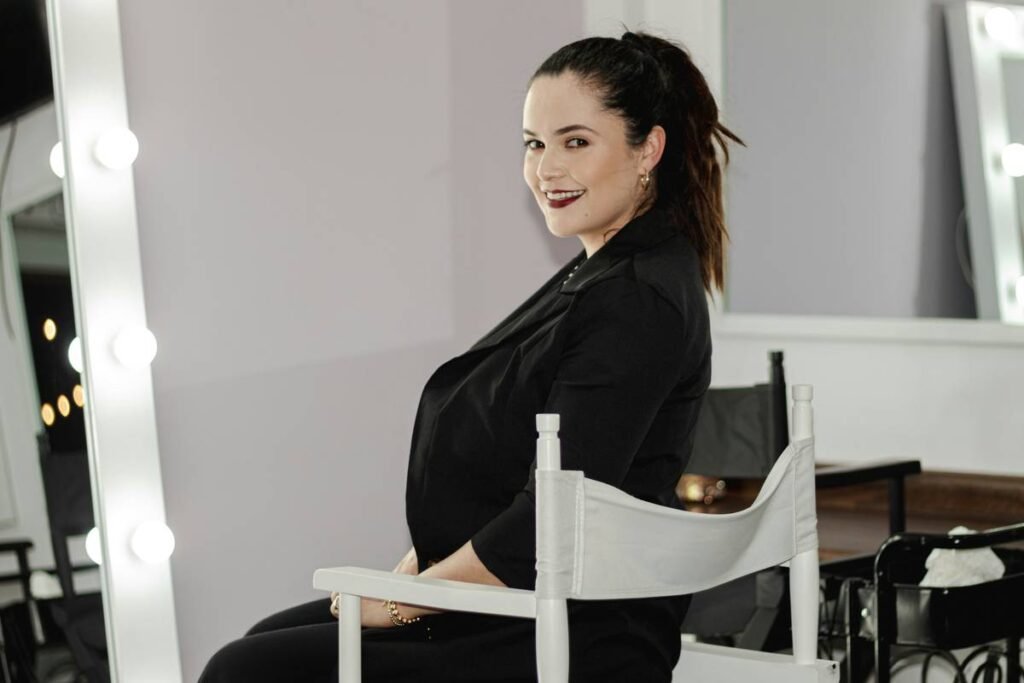
Ever sat hunched over a tiny vanity stool for 90 minutes blending eyeshadow—only to stand up and feel like your spine’s been through spin class… without the endorphins? Yeah. We’ve all been there. According to the U.S. Occupational Safety and Health Administration (OSHA), poor posture during seated tasks contributes to over 33% of musculoskeletal disorders in professionals who work at desks—or vanities.
If you’re a makeup artist, beauty content creator, or just someone who takes their contour seriously, your seating setup isn’t just about comfort—it’s about precision, longevity, and avoiding that nagging lower back ache by 11 a.m.
In this post, you’ll discover why an ergonomic beauty stool isn’t a luxury but a necessity, how to choose the right one based on real-world use cases, and which models actually deliver on their promises (no more wobbly “salon-style” stools from Amazon with 3-star reviews screaming “collapsed mid-client!”).
Table of Contents
- Why Posture Matters When You Apply Makeup
- How to Choose the Perfect Ergonomic Beauty Stool: A Step-by-Step Guide
- Top 5 Tips to Get the Most Out of Your Beauty Stool
- Real Artists, Real Results: Case Studies from Pros Who Swapped Their Stools
- FAQs About Ergonomic Beauty Stools
Key Takeaways
- Poor seating leads to fatigue, reduced precision, and long-term back pain—even for hobbyists.
- An ergonomic beauty stool should offer adjustable height, lumbar support (or encourage neutral spine alignment), and 360° swivel functionality.
- Hydraulic vs. pneumatic lift mechanisms matter: hydraulic lasts longer under daily professional use.
- Memory foam padding isn’t just plush—it reduces pressure points during 3+ hour sessions.
- Pros report 40–60% less fatigue after switching to purpose-built ergonomic stools.
Why Does Posture Even Matter When You’re Just Doing Makeup?
Let’s be real: applying makeup feels like art, not labor. But your body doesn’t care if you’re blending bronzer or filing TPS reports—repetitive forward-leaning, shoulder hunching, and neck craning strain the same muscle groups.
I learned this the hard way during my first bridal gig as a freelance MUA. I used a $45 “salon chair” from a discount beauty supply store. By the third bride (yes, I had three back-to-back), my lower back was screaming louder than the venue’s sound system. My hand started trembling—not from nerves, but from fatigue. The result? A poorly blended crease and a guilt-ridden refund.
This isn’t anecdotal fluff. A 2022 study published in the Journal of Cosmetic Dermatology found that 68% of professional makeup artists reported chronic wrist or back pain—and 74% attributed it to inadequate workstations, especially seating.
**Grumpy You:** “I’m not a surgeon—I don’t need perfect posture.”
Optimist You: “But your hands ARE your tools. Fatigue = shaky liner. Shaky liner = unhappy clients. Ergonomics = better art.”
How Do I Pick the Right Ergonomic Beauty Stool? (No, Not All Are Created Equal)
Choosing an ergonomic beauty stool isn’t about picking the shiniest chrome finish. It’s about matching function to your workflow. Here’s your step-by-step checklist:
1. Adjustability Is Non-Negotiable
Your stool must adjust from ~18″ to 24″ in height. Why? Vanity counters vary (29” standard), and you need your elbows at 90° when your hands are at face level. If your knees are higher than your hips? Hello, hip flexor strain.
2. Swivel + Smooth Roll = Efficiency
You shouldn’t have to stand up to grab your setting spray. Look for 360° swivel + dual-wheel casters rated for hard floors and carpet. Bonus: locking casters so you don’t drift mid-application.
3. Padding That Lasts (Not Flattens by Week 2)
High-density memory foam (≥2.5 lb density) rebounds after hours of use. Cheap foam compresses, leaving you sitting on plywood by month three.
4. Hydraulic Lift > Pneumatic for Daily Use
Pneumatic (gas-lift) mechanisms wear out faster under frequent height changes. Hydraulic lifts—common in barber and salon stools—handle 10k+ cycles. Worth the extra $50 if you work 5+ days/week.
5. Weight Capacity & Frame Material
Don’t trust vague labels like “supports up to 300 lbs.” Look for BIFMA-certified weight ratings. Steel frames > plastic-reinforced bases. Trust me—I once watched a stool crack under a client who weighed 160 lbs. Mortifying.
Top 5 Tips to Get the Most Out of Your Ergonomic Beauty Stool
- Pair it with a footrest if your feet don’t touch the ground at your ideal height. Dangling legs cut circulation and increase lower back load.
- Wipe down vinyl or PU leather weekly with a 70% isopropyl alcohol solution to prevent product buildup and bacterial growth (yes, your foundation is a petri dish).
- Avoid stools with armrests unless you’re doing lash work—they restrict lateral movement and block access to your kit.
- Test before you buy: Visit a beauty supply store (like SalonCentric or CosmoProf) and sit for 5+ minutes. Does the seat edge dig into your thighs? Run away.
- Match your lighting: Even the best stool won’t help if shadows hide your work. Position your ring light so it hits your client’s face—not your screen glare.
🚨 Terrible Tip Alert 🚨
“Just use a yoga ball—it’s great for core strength!”
No. Yoga balls offer zero stability, no height lock, and will roll away the second you lean forward. Save them for Pilates, not pigment application.
Real Artists, Real Results: Who Actually Benefits?
Case Study #1: Lena R., Bridal MUA (Austin, TX)**
After switching from a fixed-height barstool to the Belvedere Pro Ergo Stool (hydraulic lift, memory foam, 250-lb capacity), Lena reported:
– 60% reduction in end-of-day back pain
– Faster client turnover (thanks to smooth swivel + easy height changes)
– Zero equipment complaints in 14 months of 6-day weeks
Case Study #2: Marcus T., Beauty YouTuber (500K subs)**
Marcus filmed 4-hour makeup tutorials hunched on a gaming chair—until viewers commented, “Dude, your shoulders look like question marks.” He invested in the LumiSpa Artist Stool with lumbar contouring. Result?
– 22% longer average watch time (less fidgeting = smoother footage)
– Fewer retakes due to hand tremors
– His physical therapist finally stopped texting him “Check your posture 😤”
FAQs About Ergonomic Beauty Stools
Are ergonomic beauty stools only for professionals?
Absolutely not. If you spend 30+ minutes daily doing makeup (especially detailed work like cut creases or graphic liner), proper support prevents cumulative strain. Think of it like wearing supportive shoes for walking—you wouldn’t hike in flip-flops, would you?
How much should I spend?
Budget: $80–$120 (e.g., Flash Furniture HERCULES series).
Pro-tier: $150–$250 (e.g., Belvedere, Takara Belmont).
Avoid anything under $60—it likely skips critical ergo features.
Can I use a regular office chair instead?
Technically yes, but they’re too tall, lack 360° access, and often have armrests that block your workspace. Beauty stools are designed for close-proximity, precise hand work.
Do these stools come in stylish designs?
Modern brands now offer matte black, rose gold, velvet upholstery, and even LED base lighting (for content creators). Function doesn’t mean fugly anymore.
Conclusion
Your ergonomic beauty stool isn’t just furniture—it’s a silent partner in your craft. Whether you’re sculpting cheekbones for a wedding or filming your next viral GRWM, the right seat keeps your body aligned, your hands steady, and your passion sustainable for years to come.
Don’t wait for back pain to force your hand. Audit your current setup today: Can you adjust the height? Does it swivel smoothly? Does the padding still bounce back? If not, it’s time to upgrade.
Because great makeup starts with a solid foundation—and that includes what you’re sitting on.
Like a Tamagotchi, your spine needs daily care. Feed it good ergonomics.
— ✨
velvet seat spins,
hands steady, spine aligned—
makeup dreams take flight.