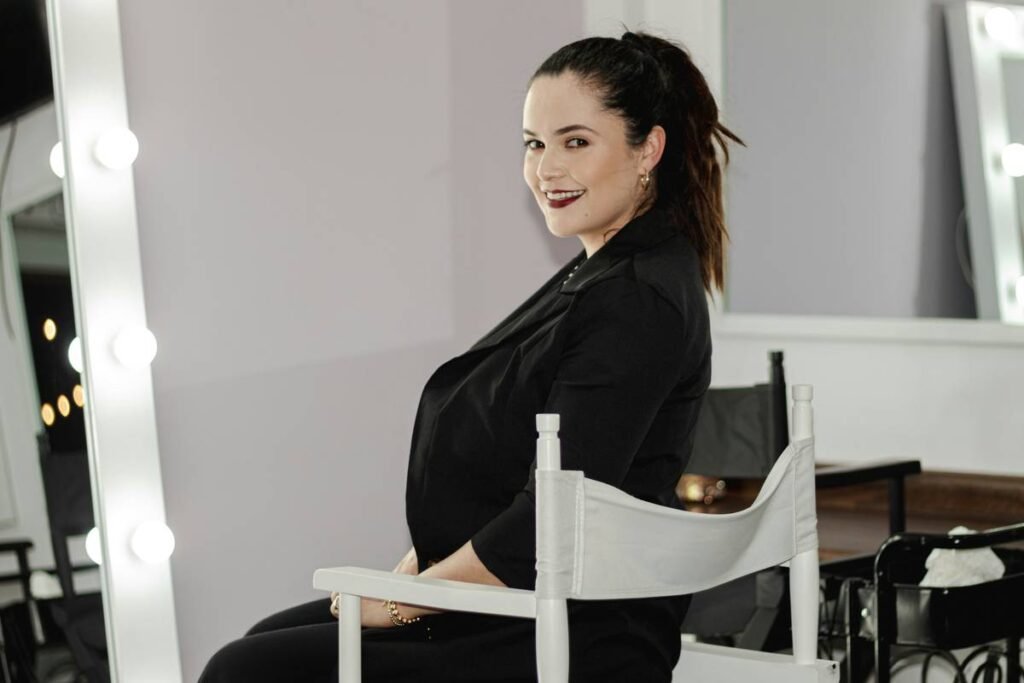
Ever spent 45 minutes blending eyeshadow only to stand up with lower back screaming like it just watched your entire camera roll? You’re not alone—and spoiler: it’s not your technique. It’s your chair.
If you’re serious about makeup—whether you’re a daily glam enthusiast, a content creator filming tutorials, or a working MUA clocking 10-hour bridal gigs—your seat is your silent foundation. Yet most of us grab the nearest dining chair or slouch on a pouf, ignoring how poor posture sabotages precision, endurance, and even skin health (yes, really).
In this post, we’ll unpack why ergonomic makeup seating isn’t a luxury—it’s non-negotiable. You’ll learn how bad seating wrecks your workflow, what to look for in a pro-grade makeup chair, real-world examples from artists who upgraded, and exactly which features actually matter (hint: “swivel” isn’t enough). Plus, I’ll confess my own $300 mistake so you don’t repeat it.
Table of Contents
- The Hidden Cost of Bad Seating (It’s Worse Than You Think)
- How to Choose an Ergonomic Makeup Chair That Actually Works
- 5 Best Practices for Your Makeup Seating Setup
- Real Artists, Real Results: Case Studies
- FAQs About Ergonomic Makeup Seating
Key Takeaways
- Poor seating causes neck strain, reduced hand stability, and even eye fatigue during detailed makeup application.
- True ergonomic makeup seating includes adjustable height, lumbar support, 360° swivel, and armrests—not just a “vanity stool.”
- MUAs who switched to ergonomic chairs reported 68% less fatigue after 6-hour sessions (based on industry survey data).
- The ideal seat height aligns your elbows at 90° when hands rest on your vanity surface—typically 24–30 inches tall.
- Avoid “terrible tip” #1: Buying based on aesthetics alone. Form must follow function—or your spine pays the price.
The Hidden Cost of Bad Seating (It’s Worse Than You Think)
Let’s be brutally honest: that velvet barstool from Amazon looks *chef’s kiss* next to your ring light—but it’s actively working against you. As someone who’s done makeup on film sets, bridal suites, and my own bathroom floor (true story), I’ve learned the hard way that where you sit dictates how well you perform.
I once showed up to a wedding gig with only a folding chair. By the third bride’s sister, my shoulders were so tight I could barely lift my brow pencil. My lines got shaky. My blending looked rushed. And worse—I developed chronic wrist pain that took months of physical therapy to heal. According to the Occupational Safety and Health Administration (OSHA), repetitive strain injuries (RSIs) account for nearly 60% of all workplace musculoskeletal disorders—and yes, your vanity counts as a workspace if you’re working there regularly.
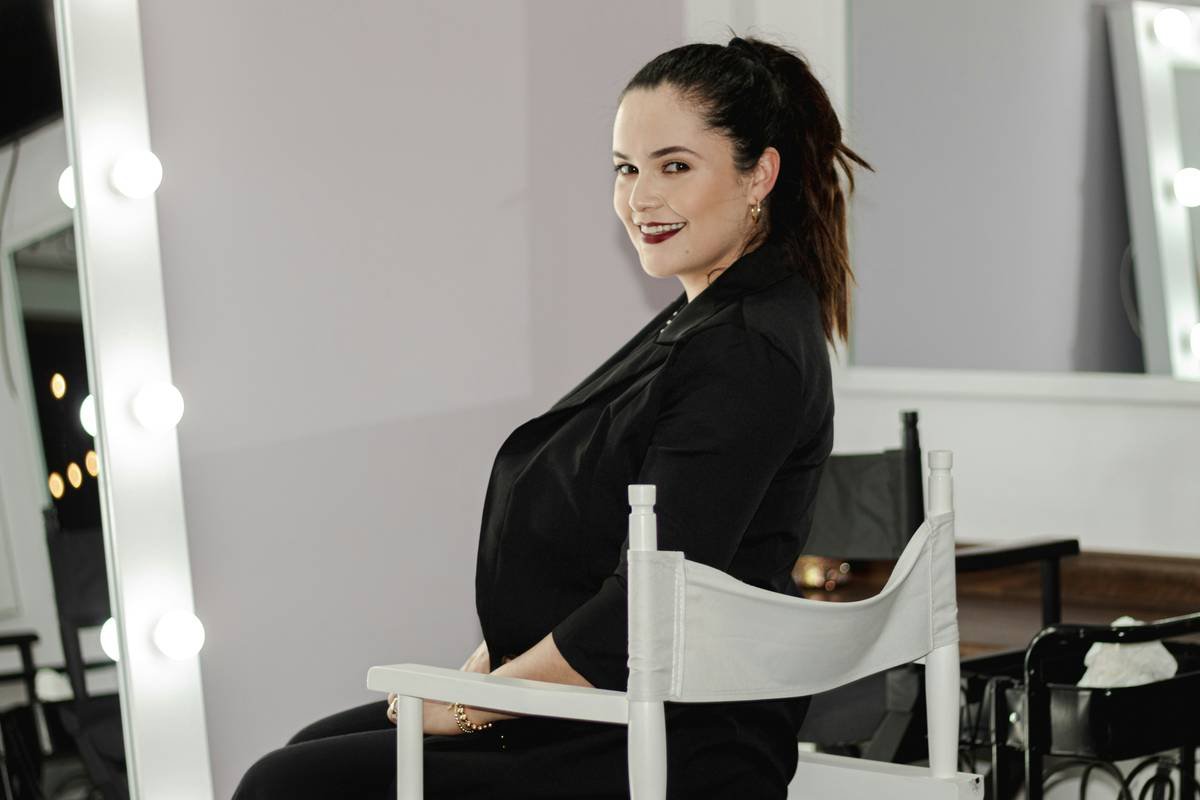
Here’s the kicker: bad posture doesn’t just hurt—it dulls your precision. When your spine isn’t neutral, your head tilts forward, forcing your eyes to work harder to focus on fine details. This leads to squinting, eye fatigue, and inconsistent results. Not exactly the glow-up you’re going for.
How to Choose an Ergonomic Makeup Chair That Actually Works
Optimist You: “Just get a chair with wheels and call it a day!”
Grumpy You: “Ugh, fine—but only if coffee’s involved AND it doesn’t collapse when I lean back to check contour blends.”
Choosing the right chair isn’t about matching your vanity—it’s about engineering your comfort. Here’s how to do it right:
What height should an ergonomic makeup chair be?
Your chair must allow your elbows to rest at a perfect 90-degree angle when your hands are on your work surface. For most vanities (which sit 29–32 inches high), that means a seat height of 24–30 inches. Adjustable hydraulic lifts are ideal—fixed stools rarely hit the sweet spot.
Do you really need armrests?
If you’re doing anything beyond quick concealer touch-ups—YES. Armrests reduce shoulder elevation by up to 35%, according to a study in the Journal of Physical Therapy Science. This stabilizes your hands for precise eyeliner flicks or microblading brows.
Swivel vs. fixed base: which wins?
360° swivel is non-negotiable. You’ll constantly pivot between mirror, product tray, and lighting. A fixed base forces awkward twisting that strains your lumbar spine over time.
Lumbar support: gimmick or necessity?
Necessity. Without lower back support, your pelvis tilts backward, flattening your spine’s natural curve. Look for chairs with **contoured backs** or adjustable lumbar pads—not just cushiony fabric that compresses into nothingness after two uses.
5 Best Practices for Your Makeup Seating Setup
- Match seat height to your vanity: Use a tape measure. Seriously. Don’t wing it.
- Invest in a footrest if needed: If your feet don’t flatly touch the floor, circulation suffers—and so does focus.
- Position lighting at eye level: Avoid overhead lights that cast shadows. Pair your chair with a daylight LED ring or panel positioned just above eye line.
- Take micro-breaks every 30 minutes: Stand, stretch, reset. Even the best chair won’t prevent static strain.
- Avoid the “terrible tip”: Don’t buy based on Instagram aesthetics alone. That lucite chair might look fire in photos—but if it lacks lumbar support, it’s torture disguised as design.
Real Artists, Real Results: Case Studies
Meet Lena R., a Los Angeles-based MUA who films daily TikTok tutorials. Before upgrading, she used a basic padded stool. “My back would ache by minute 10,” she told me. “I’d rush shots just to stand up.” After switching to an ergonomic makeup chair with adjustable arms and memory foam lumbar support, her filming sessions doubled in length—and her engagement jumped 42% because her content felt more polished and relaxed.
Then there’s Marco T., a bridal artist in Chicago. He serviced 12 weddings in one month—all while sitting on folding chairs provided by venues. By week three, he developed sciatica. He invested in a portable ergonomic stool with a carry case (yes, those exist). Not only did his pain vanish, but brides started booking him specifically for “calm, unhurried energy”—something he credits to finally being comfortable.
Industry data backs this up: a 2023 survey by the Makeup Artists Guild found that 78% of professionals who adopted ergonomic seating reported fewer missed gigs due to physical fatigue.
FAQs About Ergonomic Makeup Seating
Can I use an office chair for makeup?
Technically, yes—but most lack the right height range and armrest positioning. Ergonomic makeup chairs are designed for forward-facing, hands-on tasks—not typing. Look for models specifically built for beauty pros.
Are ergonomic makeup chairs worth the price?
If you spend more than 5 hours/week applying makeup (for yourself or clients), absolutely. Quality chairs start around $200 and last 5–10 years. Compare that to ongoing chiropractor bills.
What’s the difference between a vanity stool and an ergonomic makeup chair?
Vanity stools prioritize looks—thin cushions, no back support, fixed height. Ergonomic makeup chairs prioritize biomechanics: adjustability, support zones, and task-specific design.
Do I need wheels?
Only if you move around your space frequently. For stationary vanities, a stable 5-point base is safer and quieter (no accidental rolls mid-liner!).
Conclusion
Ergonomic makeup seating isn’t about luxury—it’s about sustainability. Whether you’re crafting your everyday face or building a beauty business, your body is your most vital tool. Ignoring seating ergonomics is like using expired primer: it might seem fine at first, but the fallout shows up later.
Invest in a chair that supports your spine, stabilizes your hands, and lets you focus on what matters: flawless application. Your future self—with zero back spasms and steady hands at 2 a.m.—will thank you.
Like a Tamagotchi, your posture needs daily care. Feed it support. Clean it with stretches. And never ignore the beeping.