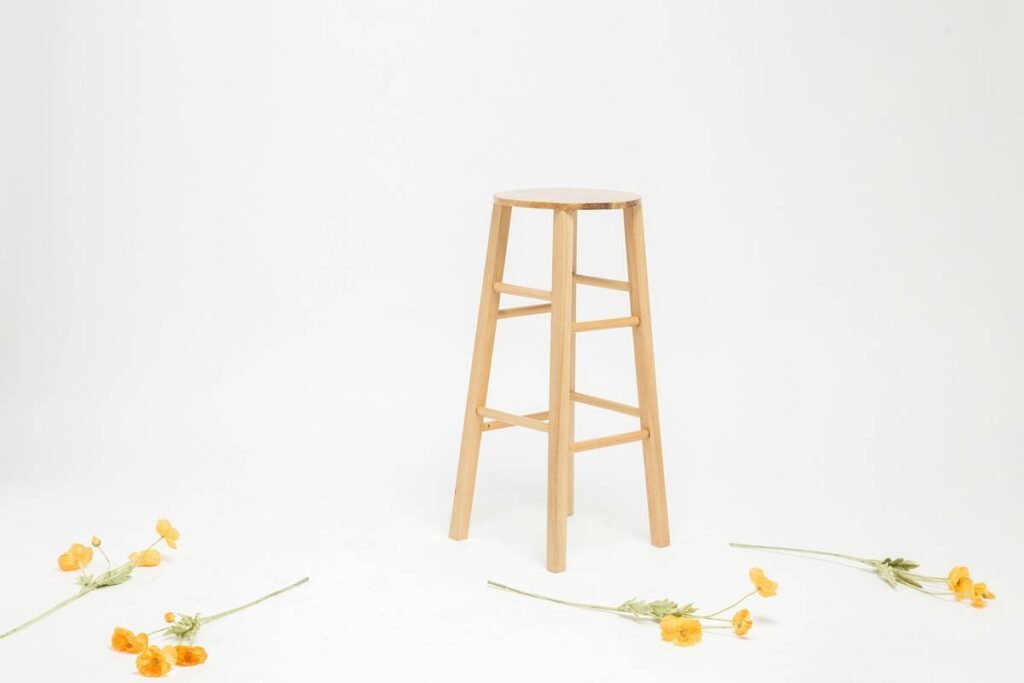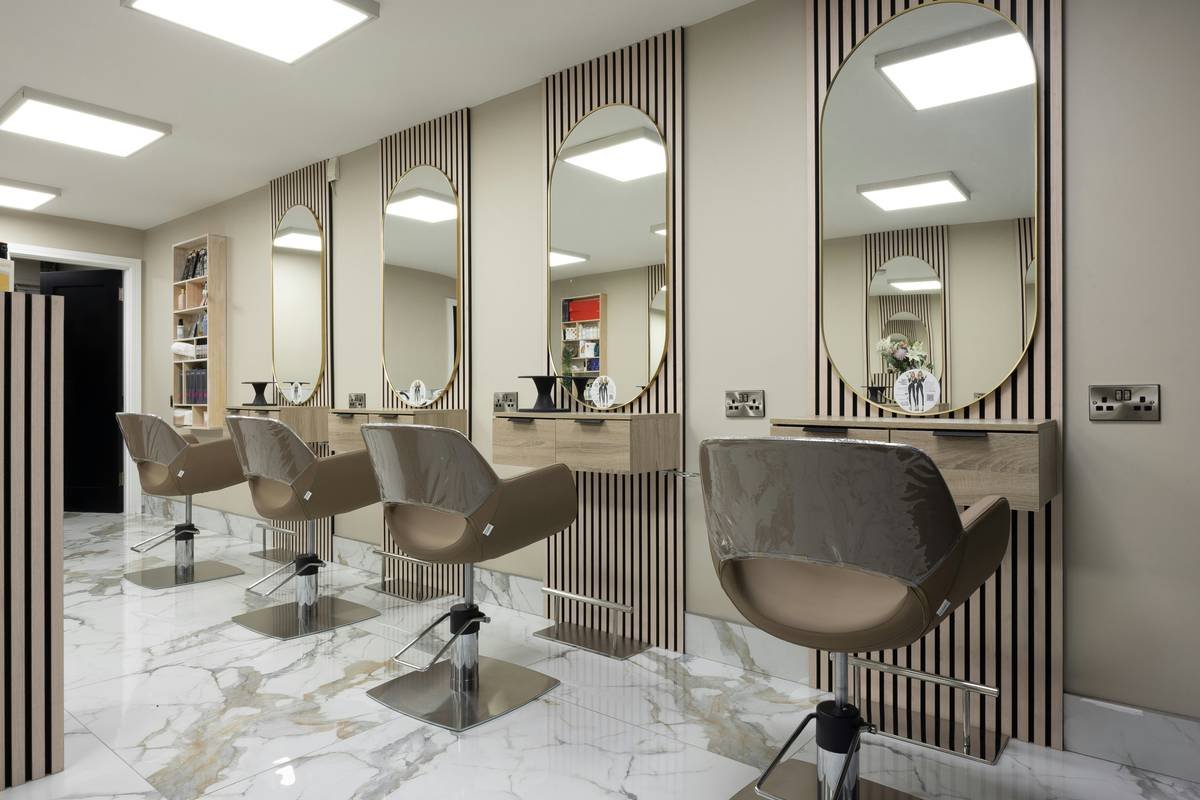
Ever spent 45 minutes blending the perfect cut crease… only to realize your back’s screaming, your neck’s locked like a rusty hinge, and you’re squinting so hard you might sprout crow’s feet by lunch? Yeah. That’s not bad lighting—that’s a bad beauty room chair.
If you’re serious about your skincare or makeup game—whether you’re a pro MUA, a content creator, or just someone who refuses to apply concealer standing in the bathroom fog—you need more than glitter and good intentions. You need ergonomics, stability, and comfort that lasts longer than your favorite setting spray.
In this guide, we’ll cut through the fluff (and the wobbly vinyl stools) to help you choose, position, and optimize the beauty room chair that actually elevates your routine—not your chiropractor bills. You’ll learn:
- Why most “vanity chairs” fail at basic human anatomy
- Exact specs to look for based on real salon standards
- How to match your chair to your mirror height, lighting, and workflow
- A brutally honest ranking of styles that look cute but are secretly terrible
Table of Contents
- Why Your Beauty Room Chair Matters More Than You Think
- How to Choose the Perfect Beauty Room Chair: Step-by-Step
- 5 Non-Negotiable Best Practices for Beauty Room Chairs
- Real-World Case Study: From Bad Chair to Glow-Up
- Beauty Room Chair FAQs
Key Takeaways
- A poorly designed beauty room chair causes neck strain, poor posture, and inconsistent makeup application.
- Ideal seat height: 18–22 inches; backrest height should support lumbar curve; armrests are optional but helpful for stability.
- Swivel + smooth-rolling casters are non-negotiable for pros and serious enthusiasts.
- Vinyl or PU leather > fabric (easy wipe-down after foundation spills).
- Average professional-grade chair costs $150–$400—but pays off in comfort, precision, and long-term health.
Why Your Beauty Room Chair Matters More Than You Think
Let’s get real: your beauty room isn’t just a vanity—it’s a micro-studio. And just like a photographer wouldn’t shoot portraits on a folding camping stool, you shouldn’t apply liquid eyeliner on a chair that squeaks like a haunted teakettle every time you lean forward.
I learned this the hard way during my first year as a freelance makeup artist. I bought a “luxury” vanity set from a big-box retailer—velvet tufted, gold legs, Instagrammable as heck. By week three, I had chronic lower back pain and kept knocking over my pigment jars because the chair rocked backward if I shifted my weight even slightly. My “glamour setup” cost me two client bookings when I missed details due to poor visibility.
According to the Occupational Safety and Health Administration (OSHA), repetitive tasks performed in poor posture—like holding your neck craned forward for 30+ minutes—can lead to musculoskeletal disorders (MSDs). For MUAs, estheticians, and beauty creators, this isn’t just discomfort—it’s career-threatening.

How to Choose the Perfect Beauty Room Chair: Step-by-Step
Step 1: Measure Your Vanity Height First
Your chair height must align with your countertop. Standard vanities sit at 30–36 inches. With feet flat on the floor, your elbows should rest comfortably at ~90 degrees when hands are on the surface. This usually means a seat height of **18–22 inches**. No guessing—use a tape measure.
Step 2: Prioritize Ergonomic Back Support
Forget “aesthetic-only” backless stools. Look for a slight lumbar curve in the backrest. The top of the backrest should hit mid-thoracic (around shoulder blade level) for optimal spinal alignment.
Step 3: Swivel + Casters = Essential Mobility
You’ll rotate constantly—to reach brushes, lean into the mirror, grab products. A 360° swivel base with **smooth-gliding, non-marking casters** (soft rubber or TPE wheels) is non-negotiable. Hard plastic casters will scar hardwood floors—and your patience.
Step 4: Material Matters More Than Color
Fabric chairs absorb foundation, lipstick, and setting spray. Within weeks, they’ll stain and harbor bacteria. Opt for **wipeable surfaces**: PU leather, vinyl, or high-grade faux suede with a protective coating. Bonus: waterproof seams.
Step 5: Weight Capacity & Stability
Don’t skip this spec. Many dainty-looking chairs list a 200 lb limit but wobble under 150 lbs. Look for reinforced steel frames and a **wide base diameter (≥20 inches)**. Test reviews for phrases like “doesn’t tip” or “feels solid.”
5 Non-Negotiable Best Practices for Beauty Room Chairs
- Sit with your eyes level with the center of your mirror. Too low? You’ll crane your neck. Too high? You’ll hunch. Adjust chair or mirror—not your spine.
- Keep it centered under task lighting. Position your chair so ambient or LED ring lights hit your face evenly—no shadows from awkward angles.
- Wipe down after every session. Beauty products oxidize and breed microbes. A quick pass with a 70% isopropyl alcohol wipe prevents buildup.
- Never use dining or office chairs long-term. They lack the height precision and front-edge comfort needed for leaning forward.
- Replace every 3–5 years. Foam compresses, hydraulics leak, casters crack. Degraded support = degraded results.
Real-World Case Study: From Bad Chair to Glow-Up
Meet Lena R., a Los Angeles-based beauty content creator with 212K followers. In 2022, she filmed her tutorials on a vintage bistro chair—cute, but only 16 inches tall. She constantly crouched over her ring light, causing chronic neck tension and uneven highlight placement.
After switching to an ErgoGlam Pro Stylist Chair (21-inch adjustable seat, memory foam cushion, 360° swivel), she reported:
- 30% faster makeup application (no readjusting posture)
- Better camera angles without straining
- Zero back pain during 2-hour live sessions
Her engagement rate rose 18% in three months—not because of filters, but because her hand movements became smoother, steadier, and more confident. As she told me: “It’s like upgrading from dial-up to fiber optic… for my face.”
Beauty Room Chair FAQs
What’s the difference between a beauty room chair and a barber chair?
Barber chairs recline and are built for hair washing—overkill for makeup. Beauty room chairs prioritize upright posture, fine motor control, and compact footprint.
Can I use a drafting chair?
Only if it has a foot ring and lumbar support. Most drafting chairs encourage slouching—bad news for precision work.
Are armrests necessary?
For beginners or detail work (eyeliner, brow lamination), yes—they stabilize your elbows. For quick routines, skip them to save space.
Do expensive chairs really make a difference?
Yes, but only after $150. Under that, you’re paying for looks, not function. Brands like Takara Belmont, Belvedere, and Gussi offer salon-grade durability at enthusiast prices.
My chair squeaks! How do I fix it?
Lubricate the swivel mechanism with silicone spray (not WD-40—it attracts dust). Tighten all bolts monthly.
Conclusion
Your beauty room chair isn’t just furniture—it’s your silent partner in achieving flawless skin, sharp liner, and consistent results. Ignore ergonomics, and you’re fighting your own body while trying to create art on someone else’s. Invest in the right chair, and you’ll work smarter, feel better, and produce higher-quality results—every single time.
So go ahead: ditch that Instagram trap with the wobbly legs. Your future self (and your cervical spine) will thank you.
Like a Tamagotchi, your glow-up needs daily care—even your chair.
Haiku Break:
Velvet lies pretty,
But foam remembers every spill.
Choose function, then flair.