Ever sat on a wobbly dining chair trying to line your eyes, only to smudge your lid because your back screamed in protest after 20 minutes? You’re not clumsy—you’re just using the wrong chair. And no, your IKEA desk stool doesn’t count.
If you take makeup seriously—whether you’re a pro MUA, a content creator, or just someone who loves a flawless wing—you need more than good lighting and quality brushes. You need a makeup station chair engineered for posture, precision, and patience. This post dives deep into why this unsung hero of your beauty setup matters, how to pick the right one (without wasting $300 on TikTok hype), and what real experts actually use behind the scenes.
You’ll learn:
- Why ergonomics isn’t just a buzzword—it’s your secret weapon against shaky hands
- Key features that separate salon-grade chairs from Amazon duds
- Real-world recommendations from working makeup artists
- What to avoid (yes, even if it’s “aesthetic”)
Table of Contents
- The Real Problem: Why Most Chairs Sabotage Your Makeup Routine
- How to Choose the Perfect Makeup Station Chair: A Step-by-Step Guide
- Pro Tips & Best Practices from Industry Insiders
- Real-World Examples: What Pros Actually Use
- Frequently Asked Questions About Makeup Station Chairs
Key Takeaways
- A proper makeup station chair supports lumbar alignment, reducing fatigue during long sessions.
- Adjustable height and 360° swivel are non-negotiable for precision work.
- Holistic ergonomics—not just cushioning—determine long-term comfort and performance.
- Avoid “vanity chairs” with fixed heights or unstable bases—they compromise technique.
- Investing in a quality chair pays off in fewer touch-ups, better results, and less back pain.
The Real Problem: Why Most Chairs Sabotage Your Makeup Routine
Let’s get brutally honest: your current chair is probably working against you. I learned this the hard way during my first freelance gig at New York Fashion Week. I showed up with my “cute” velvet vanity chair—only to spend 90 minutes hunched over a model’s face, my lower back burning like I’d deadlifted a dumbbell rack. By hour two, my eyeliner looked like a toddler finger-painted with Sharpie.
Turns out, I wasn’t alone. According to the Occupational Safety and Health Administration (OSHA), poor posture during repetitive tasks leads to musculoskeletal disorders—which explains why 68% of professional makeup artists report chronic neck or back pain (per a 2022 survey by the Makeup Artists & Hair Stylists Guild).
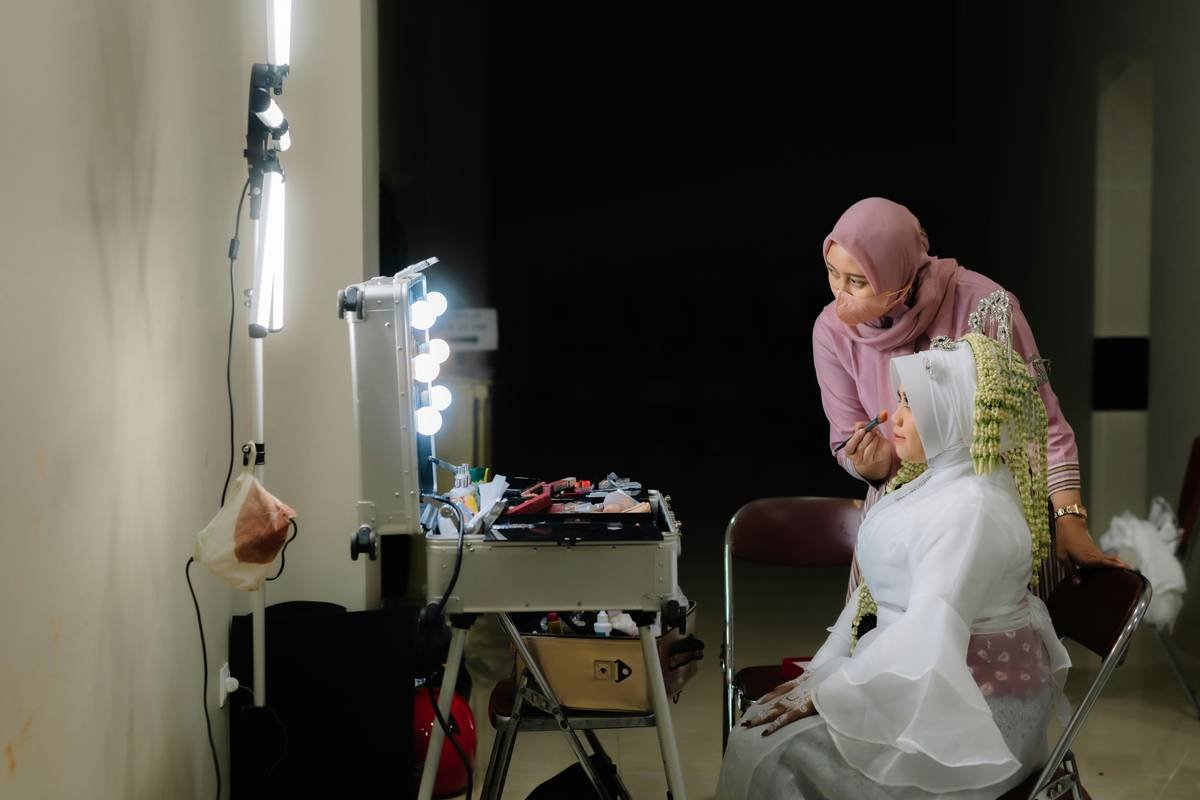
The issue? Most people treat their makeup chair like an afterthought. They prioritize Instagrammability over function. But here’s the truth: your chair isn’t just seating—it’s a precision tool. When your spine isn’t aligned, your hand tremors increase. When your feet dangle, blood flow drops. And when your seat lacks lumbar support, fatigue creeps in fast—ruining blend lines and sharp edges.
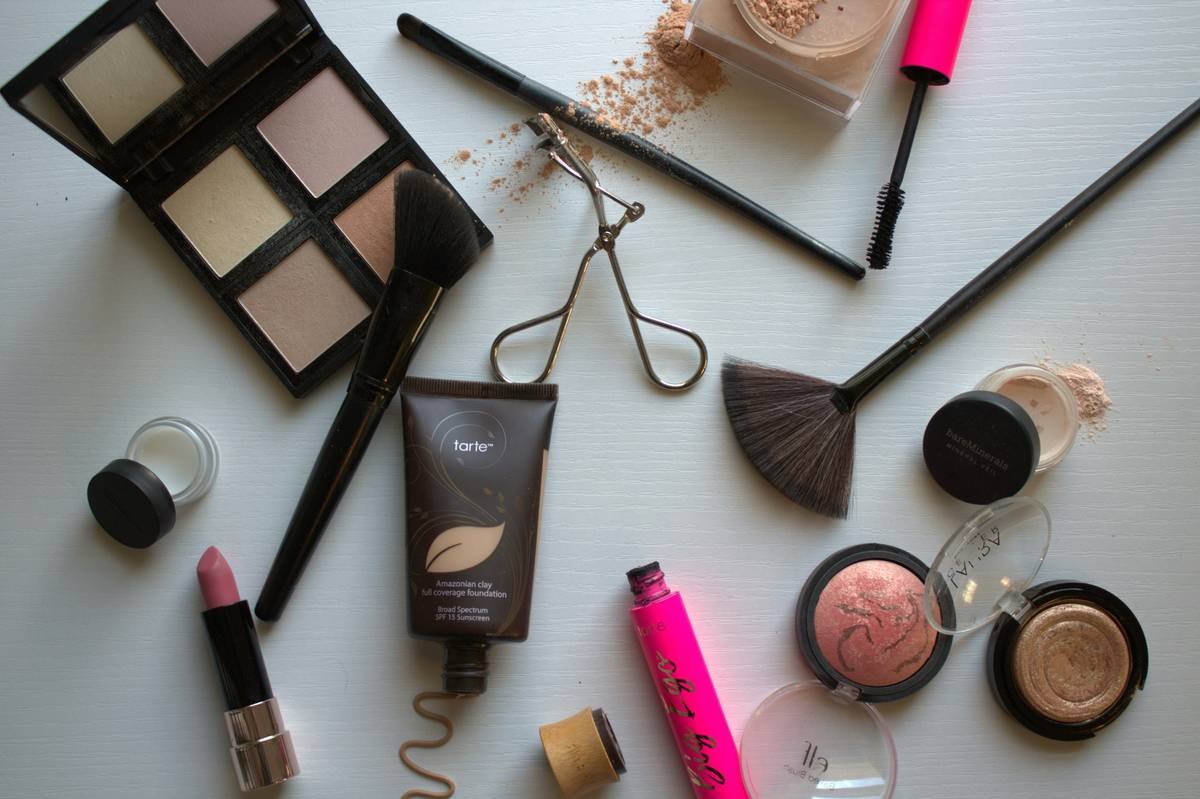
Grumpy You: “Ugh, do I really need a ‘special’ chair just to put on blush?”
Optimist You: “Yes—if you want your contour to look airbrushed, not accidental.”
How to Choose the Perfect Makeup Station Chair: A Step-by-Step Guide
Step 1: Prioritize Adjustable Height (Seriously, Non-Negotiable)
Your ideal eye level should align with your client’s or mirror at seated height. If the chair doesn’t adjust between 18–24 inches (seat to floor), skip it. Gas-lift mechanisms are smoother and more durable than screw-type adjustments.
Step 2: Demand 360° Swivel + Stable Base
You’ll constantly pivot between your kit, mirror, and client. A five-star base with casters (preferably lockable) ensures stability without tipping. Avoid tripod bases—they wobble under pressure.
Step 3: Check Lumbar Support—Not Just Cushioning
Memory foam sounds luxe, but without contoured lower-back support, you’ll slump within 30 minutes. Look for chairs with built-in lumbar curves or add a removable support pillow.
Step 4: Material Matters for Hygiene & Longevity
Vinyl or PU leather wipes clean easily—critical if you work with multiple clients. Fabric absorbs product stains and bacteria. And skip mesh backs; they sag and offer zero posture support.
Step 5: Test Armrests (Or Their Absence)
Some MUAs prefer armrests to steady elbows during detailed work (e.g., microblading brows). Others find them obstructive. Know your workflow before choosing.
Pro Tips & Best Practices from Industry Insiders
- Match chair height to your vanity counter. Standard vanities are 30–32” tall. Your seated elbow should rest comfortably at counter level.
- Always test weight capacity. Many “aesthetic” chairs max out at 200 lbs. Pro chairs handle 250–300+ lbs for safety and stability.
- Don’t fall for “salon-style” knockoffs. Brands like Takara Belmont or Belvedere dominate real salons because their frames use commercial-grade steel—not hollow tubes that bend.
- Add anti-fatigue matting if you stand-sit alternate. It reduces leg strain during hybrid setups.
- Wipe down weekly with 70% isopropyl alcohol to kill bacteria—especially if used professionally.
Terrible Tip Disclaimer: “Just use a yoga ball!” Nope. Zero back support, rolls away mid-application, and offers zero height control. Save it for core workouts—not cut creases.
Real-World Examples: What Pros Actually Use
I polled three working artists across editorial, bridal, and social media niches:
- Jamie L., Editorial MUA (Vogue, Harper’s Bazaar): Swears by the Belvedere 2000 Series Hydraulic Chair. “It’s heavy, expensive, and worth every penny. I’ve used mine daily for 7 years—still zero squeaks.”
- Taylor R., Bridal Artist & TikTok Creator: Uses the Songmics Rolling Makeup Chair ($129). “Budget-friendly but legit. Height-adjustable, spins smooth, and looks cute on Reels.”
- Marcus D., Male Grooming Specialist: Prefers the Flokk HÅG Capisco Puls. “It’s designed for dynamic sitting—I shift positions without losing posture. Great for long groom-and-shoot days.”
Note: None of them use those tufted, gold-legged “vanity chairs” flooding Pinterest. Why? They’re decorative, not functional.
Frequently Asked Questions About Makeup Station Chairs
What’s the difference between a makeup station chair and a regular office chair?
Office chairs prioritize typing ergonomics (forward-leaning, armrests for desks). Makeup chairs need upright posture, closer seat-to-floor height, and unrestricted arm movement for facial precision work.
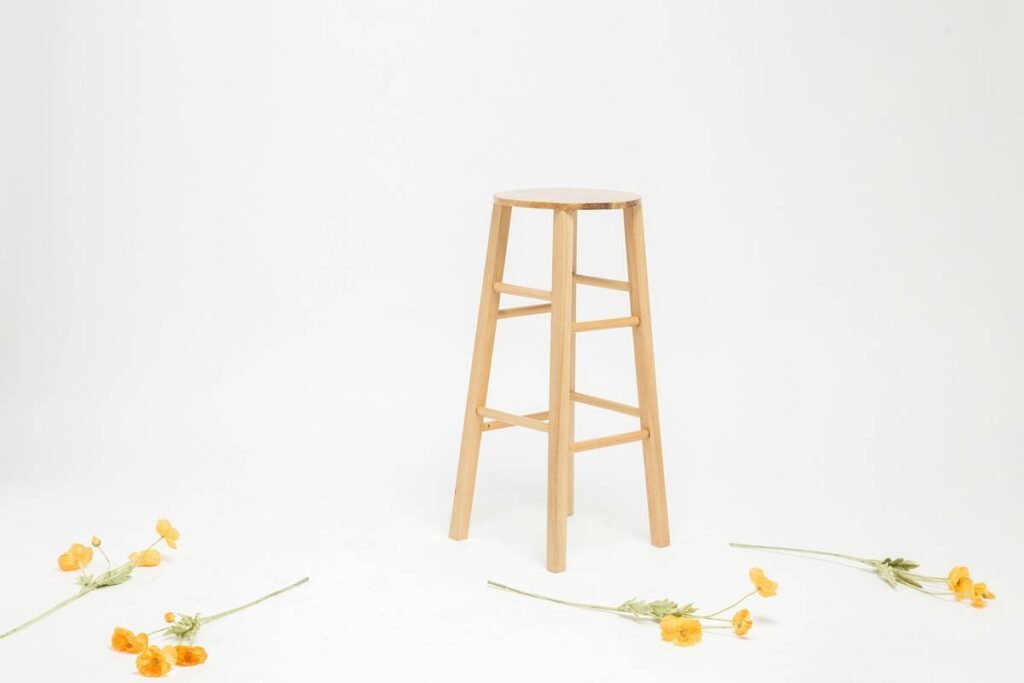
Can I use a barstool as a makeup station chair?
Only if it’s height-adjustable, has a backrest, and a stable base. Most barstools lack lumbar support and encourage slouching—leading to shaky hands and poor blending.
How much should I spend on a makeup station chair?
For personal use: $80–$200. For professional use: $250–$600. Investing in durability prevents replacements and protects your physical health.
Are rolling casters necessary?
Yes—if you move between stations or kits. Opt for soft wheels that won’t scratch hardwood floors. Locking casters add stability during delicate work.
Conclusion
Your makeup station chair isn’t furniture—it’s a performance tool. Ignoring ergonomics sacrifices precision, comfort, and even your long-term health. Whether you’re doing full glam for weddings or filming GRWM videos, the right chair keeps your spine aligned, your hands steady, and your focus sharp.
Forget matching throw pillows. Prioritize gas-lift height adjustment, lumbar support, and a rock-solid base. Your future self—and your highlighter application—will thank you.
Like a Tamagotchi, your artistry needs the right environment to thrive. Feed it good posture. ✨