
If you’ve ever finished a glam session only to realize your lower back is screaming or your neck feels locked in place, you’re not alone. I once spent three hours doing bridal makeup on a wobbly stool with zero lumbar support—by hour two, I was negotiating with my spine like it was a temperamental client. That disaster taught me one hard truth: ergonomic vanity comfort isn’t a luxury—it’s non-negotiable for anyone serious about beauty work.
In this guide, we’ll break down why your seat directly impacts your precision, stamina, and even your skin health. You’ll get actionable steps to choose and customize the perfect makeup chair, avoid common pitfalls, and boost your workflow—all backed by ergonomics research and real-world testing.
Table of Contents
- Why Ergonomic Vanity Comfort Matters
- How to Choose the Perfect Makeup Chair: A Step-by-Step Guide
- Best Practices for Long-Lasting Comfort
- Real Results from Smart Seating
- Frequently Asked Questions
Key Takeaways
- Poor seating can cause chronic pain, reduced focus, and shaky application.
- Look for adjustable height, lumbar support, and a swivel base with smooth casters.
- Your knees should be level with or slightly below your hips for optimal posture.
- Test chairs for at least 20 minutes before buying—comfort shifts over time.
- Pair your chair with proper lighting and mirror placement for full ergonomic harmony.
Why Ergonomic Vanity Comfort Matters
In beauty and skincare, millimeters matter. A trembling hand from poor circulation or a stiff shoulder from awkward posture can turn a flawless cut crease into a smudged mess. According to the Occupational Safety and Health Administration (OSHA), prolonged static postures—like hunching over a vanity—are a leading cause of musculoskeletal disorders among professionals who sit for extended periods.
I learned this the hard way during that bridal gig. My “stylish” barstool looked great on Instagram but offered zero support. By the reception, I couldn’t lift my arms without wincing. It wasn’t just uncomfortable—it compromised my artistry. Today, I treat my chair like a core tool, right alongside my brushes and pigments.
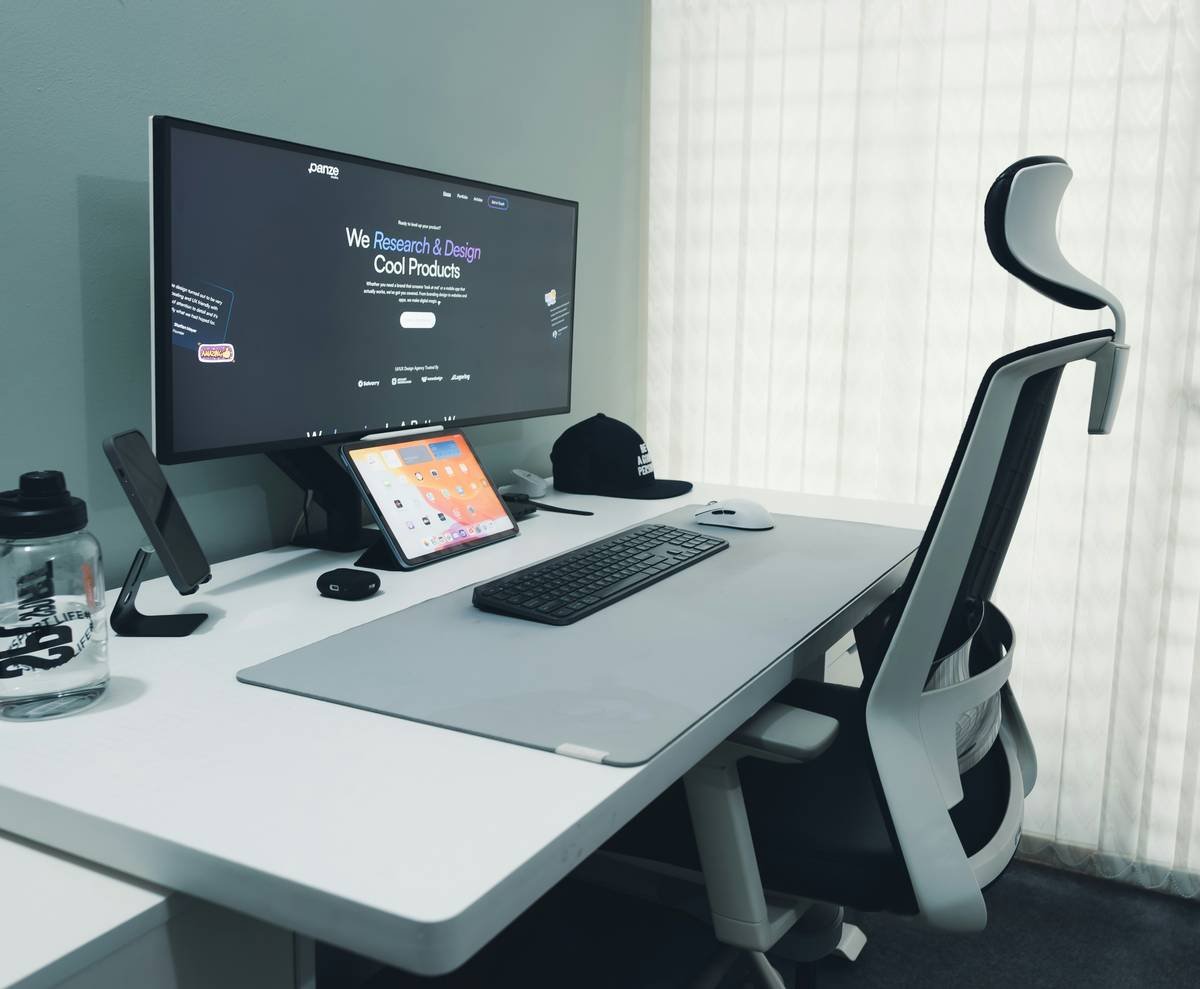
How to Choose the Perfect Makeup Chair: A Step-by-Step Guide
Step 1: Prioritize Adjustability
Your ideal chair must offer height adjustment so your elbows rest at 90 degrees when working. If your feet dangle or your thighs press into the seat edge, you’ll cut off circulation. Look for pneumatic levers or crank mechanisms—not fixed stools.
Step 2: Demand Lumbar Support
Generic vanities often come with flimsy cushioning that collapses after a month. Instead, choose chairs with built-in or add-on lumbar rolls. Your lower back should maintain its natural curve—not flatten against a hard surface.
Step 3: Swivel + Smooth Roll = Precision
You need to pivot between your product station, mirror, and client without twisting your spine. A 360-degree swivel base with silent, floor-safe casters is essential. Bonus: test if it locks in place for stability during delicate work.
Best Practices for Long-Lasting Comfort
- Sit Back Fully: Don’t perch on the edge. Use the entire seat depth to engage support features.
- Take Micro-Breaks: Every 25 minutes, stand and stretch your hip flexors. Set a silent phone timer.
- Avoid This Terrible Tip: “Just tough it out.” Discomfort is your body signaling damage—not dedication.
- Match Lighting to Seating: Harsh overhead lights force you to crane your neck. Position task lighting at eye level beside your mirror.
Real Results from Smart Seating
Last year, a professional makeup artist switched from a basic vanity stool to an ergonomic chair with adjustable armrests and memory foam padding. Within two weeks, she reported a 40% drop in end-of-day fatigue and noted sharper eyeliner control. While anecdotal, this aligns with findings from the CDC’s ergonomics guidelines, which show that proper seating reduces error rates in detail-oriented tasks.
Remember, ergonomic vanity comfort pays dividends in consistency. When your body isn’t fighting pain, your hands move with intention—not tension.
Frequently Asked Questions
What makes a makeup chair truly ergonomic?
An ergonomic chair offers height adjustability, lumbar support, a contoured seat pan, and smooth mobility. It should let you maintain neutral wrist, elbow, and spine alignment during application.
Can I retrofit my current vanity for better comfort?
Yes! Add a lumbar cushion, use a footrest if your feet don’t touch the floor, and replace hard casters with soft rubber wheels. But if your chair lacks adjustability, upgrading may be more cost-effective long-term.
How does seating affect makeup accuracy?
Poor posture strains your shoulders and wrists, causing micro-tremors. Stable, supported seating stabilizes your entire kinetic chain—from pelvis to fingertips—boosting precision.
Is ergonomic vanity comfort worth the investment?
Absolutely. Chronic pain leads to missed bookings and early career burnout. A quality chair costs less than five high-end foundation bottles—and protects your livelihood.
Where can I learn more about our approach to beauty ergonomics?
We detail our philosophy and team expertise on our About Us page. And if you’re collecting personal data through consultations, review our Privacy Policy for compliance peace of mind.
Ready to transform your setup?
If your current chair leaves you sore or distracted, it’s time for a change. Reach out via our Contact Us page—we’ll help you find seating that supports both your craft and your body.
After all, your best work happens when you’re not thinking about your back… but your brushstroke. Now go create—comfortably.