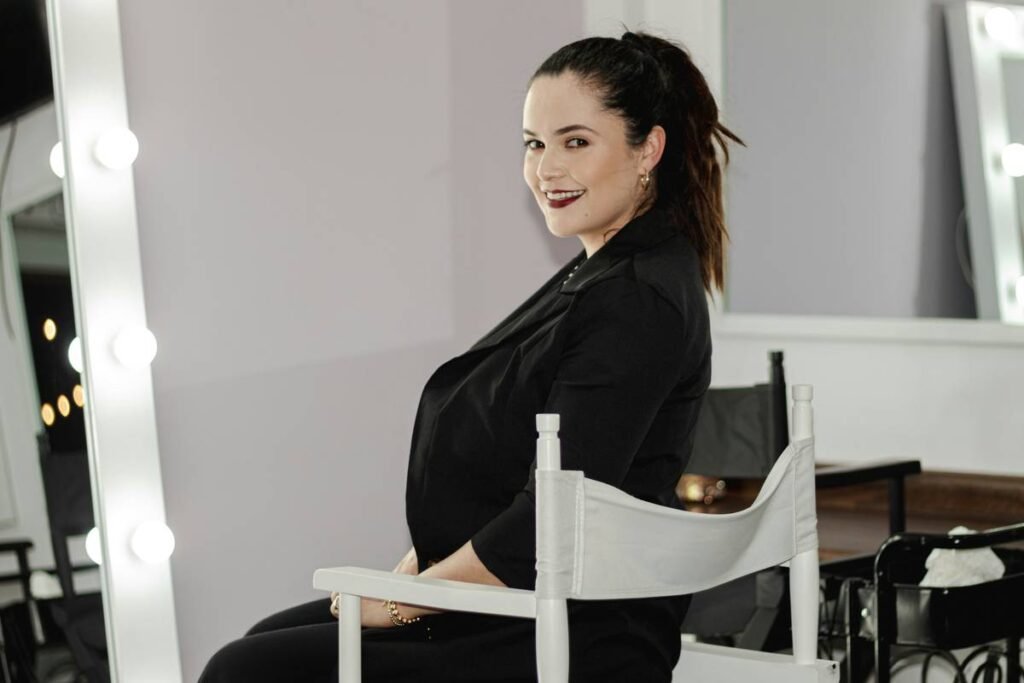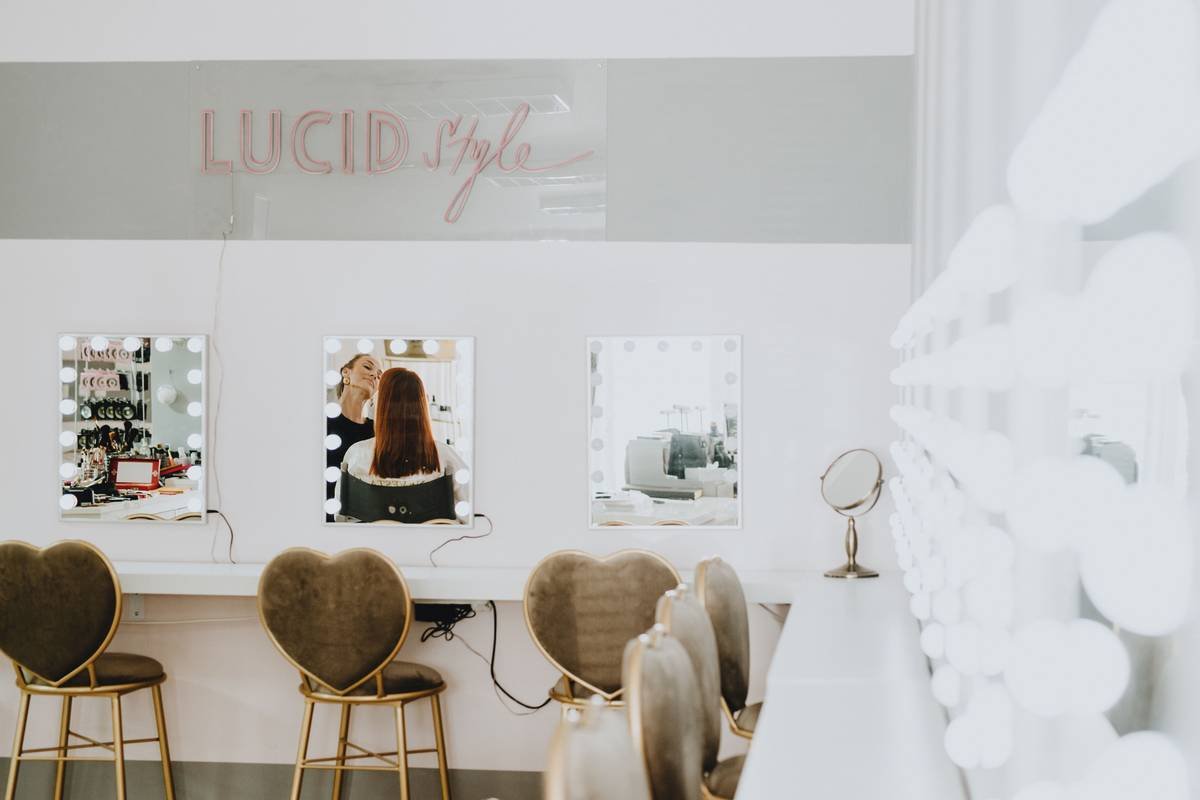
If you’ve ever finished a 3-hour makeup session only to find your lower back screaming and your neck stiff as a mannequin, you’re not alone. I once bought the “most luxurious” vanity chair online—velvet, gold legs, Instagram-worthy—but after one client session, I couldn’t stand up without wincing. That’s when I realized: aesthetics shouldn’t cost comfort. In today’s professional beauty world, ergonomic beauty design isn’t just a buzzword—it’s your secret weapon for stamina, precision, and client satisfaction. This guide unpacks why it matters, how to choose wisely, and seven actionable steps to transform your setup from painful to perfect.
Table of Contents
- Why Ergonomic Beauty Design Matters
- Step-by-Step Guide to Selecting the Right Chair
- Best Practices for Long-Term Comfort
- Real-World Results: Case Studies
- Frequently Asked Questions
Key Takeaways
- Poor seating can lead to chronic pain and reduced work accuracy in beauty professionals.
- The ideal makeup chair supports neutral spine alignment and allows adjustable height and lumbar support.
- Investing in ergonomic beauty design boosts both practitioner health and client experience.
- Always test chairs before buying—or rent before you commit.
Why Ergonomic Beauty Design Matters
In the beauty industry, we obsess over pigment payoff and brush hygiene—but often ignore the very foundation we sit on for hours. According to the Bureau of Labor Statistics, cosmetologists report musculoskeletal disorders at nearly twice the national average, largely due to repetitive motions and poor posture (U.S. Bureau of Labor Statistics). A flimsy or overly plush chair might look chic, but if it doesn’t support your natural spinal curve, you’re setting yourself up for wrist strain, shoulder tension, and lower back fatigue.
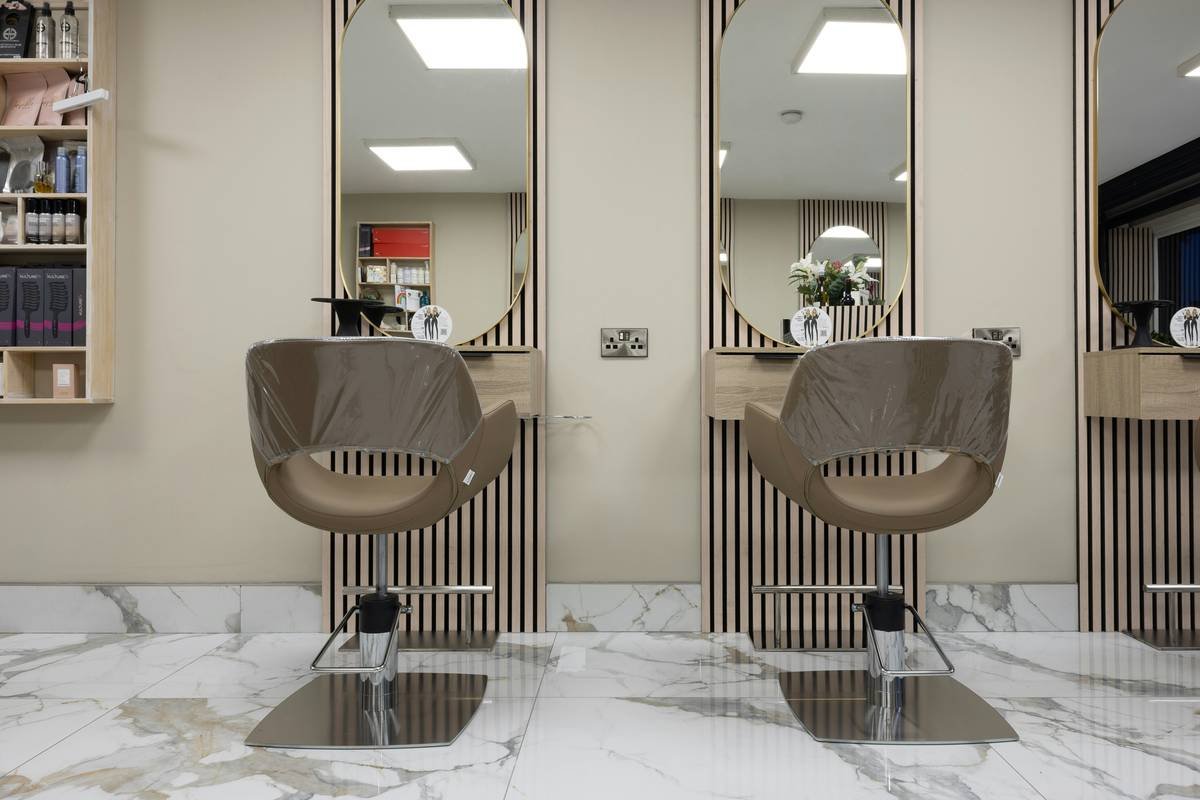
Step-by-Step Guide to Selecting the Right Chair
Assess Your Daily Workflow
Do you lean forward constantly? Rotate frequently? Work standing sometimes? Note your movements. If you spend 80% of your time leaning toward clients’ faces, prioritize chairs with deep seat pans and forward tilt mechanisms.
Check Critical Adjustability Features
Look for:
- Height adjustment (gas lift is ideal)
- Adjustable armrests (width and height)
- Lumbar support that moves with your spine
- Seat depth control to prevent pressure behind knees
Avoid fixed-height stools—they’re the #1 cause of shoulder hunching.
Test Before You Invest
Sit for at least 10 minutes. Mimic your actual work: lean, turn, reach. Does your pelvis stay neutral? Can you keep elbows at 90 degrees? If buying online, choose retailers with 30-day trials. At MJD Consult, we’ve helped dozens of salons avoid costly returns by prioritizing trial periods—learn more about our approach on our About Us page.
Best Practices for Long-Term Comfort
- Take micro-breaks every 45 minutes. Stand, stretch, reset your posture.
- Pair your chair with an anti-fatigue mat if you alternate between sitting and standing.
- Never ignore foot support. If your feet dangle, use a footrest—even a stack of books works temporarily.
- Avoid the “terrible tip”: Don’t pad a bad chair with cushions. Extra pillows often worsen pelvic tilt and create uneven pressure points.
And please—stop glorifying “pain is part of the job.” It’s not. Chronic discomfort is a sign your tools aren’t working *for* you. I used to believe suffering meant dedication. Now I know: smart ergonomics = sustainable artistry.
Real-World Results: Case Studies
A 2022 study published in the Journal of Occupational Rehabilitation found that beauty professionals who switched to ergonomically designed chairs reported a 63% reduction in neck and back pain within eight weeks (Springer). One Miami-based makeup studio implemented adjustable chairs with dynamic lumbar systems and saw a 22% increase in client session length—because artists could work longer without fatigue.
Personally, after replacing my decorative disaster with a task-specific ergonomic model, I regained full rotation in my shoulders and even reduced hand tremors during detailed eyeliner work. My clients noticed too: “You seem calmer,” one said. Turns out, comfort radiates.
Frequently Asked Questions
What makes a makeup chair “ergonomic”?
An ergonomic chair supports natural posture: adjustable height, lumbar support, and features that reduce strain during repetitive tasks—key for ergonomic beauty design.
Can I use an office chair for makeup work?
Some high-end office chairs work, but most lack the forward tilt and compact footprint needed for close client proximity. Dedicated beauty chairs are engineered for precision tasks.
How much should I spend on an ergonomic makeup chair?
Quality models range from $250–$800. Consider it a career investment—cheaper than physical therapy or lost income from burnout.
Does ergonomic beauty design include lighting and mirrors too?
Absolutely! True ergonomic beauty design encompasses your entire workstation—lighting that reduces eye strain, mirrors at optimal angles, and tools within easy reach.
Where can I learn more about workspace safety in beauty?
Review OSHA’s guidelines for salon ergonomics and consult professionals like us at MJD Consult. Always protect your data—see our Privacy Policy if sharing workspace assessments.
Ready to upgrade your setup?
We help beauty entrepreneurs build functional, pain-free workspaces grounded in real-world practice. Contact us today for a personalized consultation—and stop sacrificing your spine for style.