Spending hours hunched over a wobbly vanity? Neck cramps, shoulder tension, and rushed applications aren’t “just part of the process.” They’re signs your setup is working against you. Real ergonomic makeup comfort isn’t a luxury—it’s the difference between artistry and agony.
Why Most Makeup Chairs Sabotage Your Flow
Standard beauty chairs prioritize aesthetics over anatomy. Foam cushions flatten by month two. Swivel bases wobble under pressure. Armrests? Either nonexistent or jutting out at awkward angles that force your elbows into mid-air contortions.
And posture suffers silently. You lean forward to see detail, straining cervical vertebrae. Over time, this isn’t fatigue—it’s cumulative micro-trauma. Think about it: professional makeup artists log 6–10 hours daily in their chairs. If their tool caused chronic pain, would they keep using it?
Ergonomic Makeup Comfort: Your Step-by-Step Setup Guide
Building a truly supportive station starts with rejecting one-size-fits-all thinking. Here’s how to engineer comfort that lasts:
Seat Height Should Match Your Elbow Angle
Your forearms must rest parallel to the floor when hands are at mirror level. Too low? Shoulders hike up. Too high? Wrists hyperextend. Adjustability isn’t optional—it’s foundational.
Lumbar Support Must Be Active, Not Decorative
That stitched curve on the backrest? Useless if it doesn’t press into your spine’s natural inward arch. Look for chairs with depth-adjustable lumbar pads or add a firm rolled towel as a temporary fix.
Armrests Need 3D Freedom
Ideal armrests move up/down, forward/back, and pivot inward. Why? Because blending foundation requires different elbow positions than lining eyes. Static arms = static precision.
| Feature | Budget Chair (<$150) | Mid-Tier (&$150–$400) | Pro-Grade (>$400) |
|---|---|---|---|
| Height Adjustment | Manual lever (limited range) | Gas lift (smooth, full range) | Pneumatic + memory presets |
| Lumbar Support | Fixed contour | Adjustable depth | Dynamic adaptive cushioning |
| Armrest Mobility | None or fixed | Height only | 3D (height, depth, angle) |
| Durability (Avg. Lifespan) | 8–12 months | 2–3 years | 5+ years |
The Industry Secret No Brand Admits
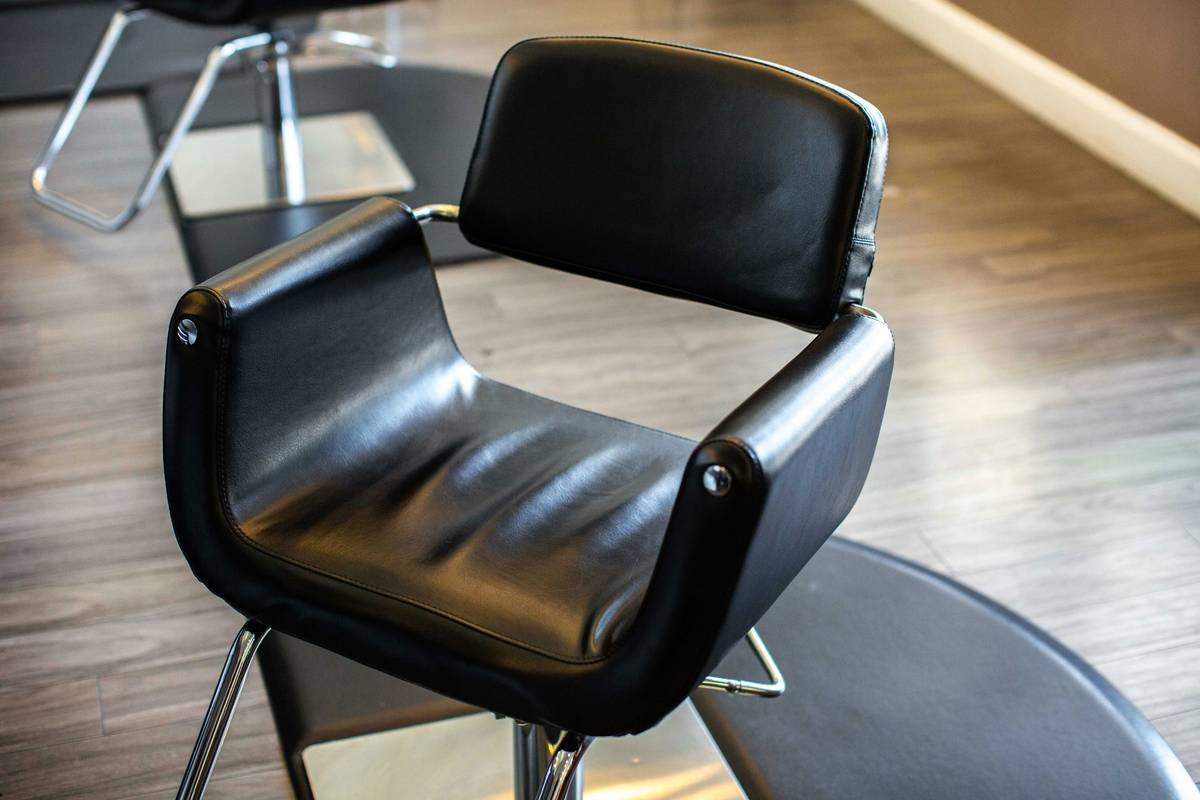
Many “ergonomic” makeup chairs are certified based on office-use standards—not beauty workflows. The ISO 9241-5 guidelines measure typing posture, not the 18-inch focal distance needed for eyeliner precision. Here’s the reality: true ergonomic makeup comfort requires task-specific design. Top-tier MUAs often retrofit barber chairs—they offer superior height range and stable bases—then add memory foam arm pads. It’s not glamorous, but it works. The math is simple: if your chair can’t hold your posture steady during a 45-minute cut-crease session, it fails the test.
Frequently Asked Questions
Can an ergonomic makeup chair reduce hand tremors?
Indirectly, yes. Stable elbow support minimizes muscle fatigue—a key trigger for shaky lines. Proper armrests act like a painter’s mahl stick.
How often should I replace my makeup chair?
When cushion density drops below 35 IFD (Indentation Force Deflection). Practically? If you sink deeper than 2 inches when seated, it’s time.
Are kneeling chairs good for makeup application?
Rarely. They compromise leg circulation during long sessions and lack arm support—critical for steady hand control.