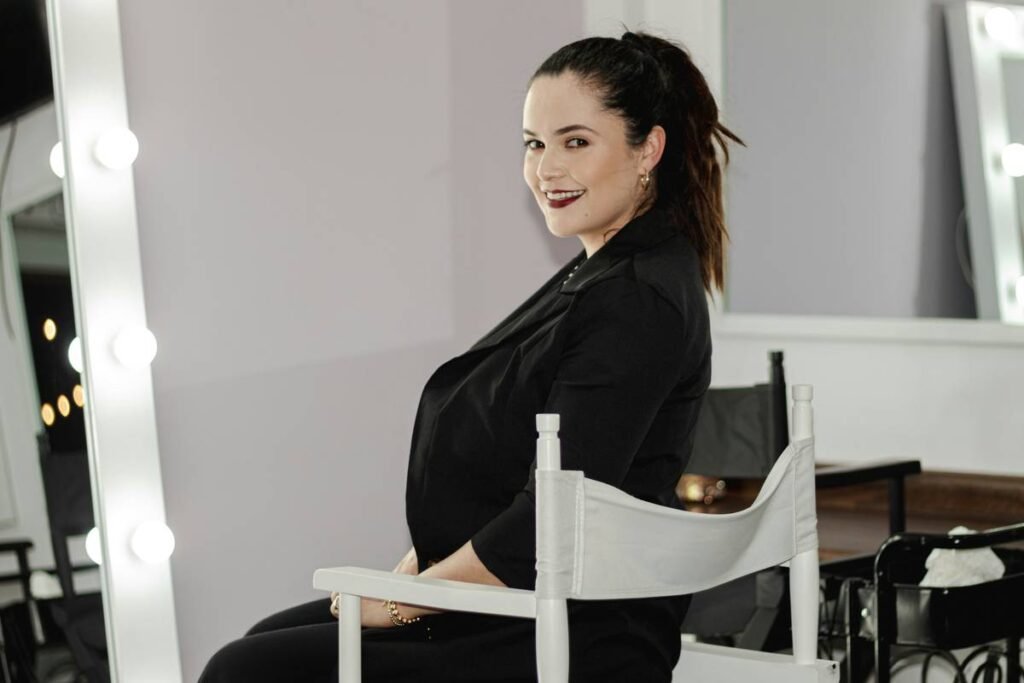
Back pain after a 3-hour glam session? Numb legs during bridal trials? You’re not lazy—you’re sitting wrong.
Most makeup artists obsess over brushes and lighting but ignore the one tool they’re strapped to for hours: their chair. Standard salon stools force your spine into unnatural curves, wreck posture, and sabotage precision. The fix isn’t expensive—it’s intentional. Enter ergonomic beauty seating: engineered support that turns fatigue into flow.
Why Your Current Chair Is Sabotaging Your Craft
That sleek, Instagrammable acrylic stool? It’s a trap. No lumbar support. Seat pan too shallow. Height locked at “pretty” not “practical.” You end up hunching, twisting, or leaning—all while trying to blend a cut crease on someone else’s eyelid.
And cheap rolling chairs? They wobble during detail work. Casters snag on cables. Armrests block elbow movement. You’re fighting your furniture instead of creating art.
Ergonomic Beauty Seating: A Step-by-Step Setup Guide
Step 1: Assess Your Workflow Posture
Spend a full day filming yourself (yes, really). Notice how often you crane your neck forward or twist your torso to reach your kit. These micro-movements compound stress—especially in the L4-L5 vertebrae.
Step 2: Prioritize Adjustable Support Zones
Your ideal chair must have five key adjustments: seat height, seat depth, lumbar height/depth, armrest width/height, and tilt tension. Skip any one, and you’re compromising spinal neutrality.
Step 3: Match Materials to Skin & Hygiene Needs
Vinyl wipes clean fast—but traps heat. Breathable mesh keeps you cool during long sessions but may snag delicate fabrics. For high-touch zones (like headrests), choose antimicrobial-treated upholstery.
| Feature | Basic Salon Stool | Ergonomic Beauty Chair | Professional Impact |
|---|---|---|---|
| Seat Depth Adjustment | No | Yes (3–5″ range) | Prevents popliteal vein compression—no more leg numbness |
| Lumbar Support | None or fixed | Dynamic, height-adjustable | Maintains natural lordosis during forward-leaning tasks |
| Armrest Pivot | Absent or rigid | 360° swivel + vertical glide | Allows elbow anchoring without shoulder elevation |
| Base Stability | 3–4 casters | Heavy-duty 5-star base | Zero wobble when applying pressure during contouring |
The Industry Secret: Chairs That Adapt to Client Types—Not Just Artists
Top-tier makeup artists don’t just optimize for themselves—they engineer the client experience too. Here’s the real edge: dual-adjustment chairs that subtly recline the client’s torso 10–15 degrees. Why?
It aligns their orbital bone perpendicular to your line of sight. No more awkward neck craning to see under the brow ridge. And clients relax deeper—meaning less fidgeting during liquid liner application. Most brands won’t tell you this because it requires custom hydraulic mechanisms… but it’s why elite MUAs swear by chairs like the MJDC ProFlex series. The math is simple: better angles = fewer corrections = faster turnover.

Frequently Asked Questions
Is ergonomic beauty seating worth the investment for freelancers?
Absolutely. One less massage therapy session per month offsets half the cost. Plus, clients notice your stamina—and book longer appointments.
Can I retrofit my current chair to be ergonomic?
Limited success. Aftermarket lumbar pads don’t adjust dynamically. Seat cushions slip. True ergonomics require integrated mechanics—not add-ons.
What’s the ideal seat height for makeup application?
Your thighs should run parallel to the floor, knees at 90°, feet flat. For most artists, that’s 18–22 inches—but measure from YOUR hip joint to the floor.